
Bank of England holds rates: What it means for your mortgage, savings and household bills


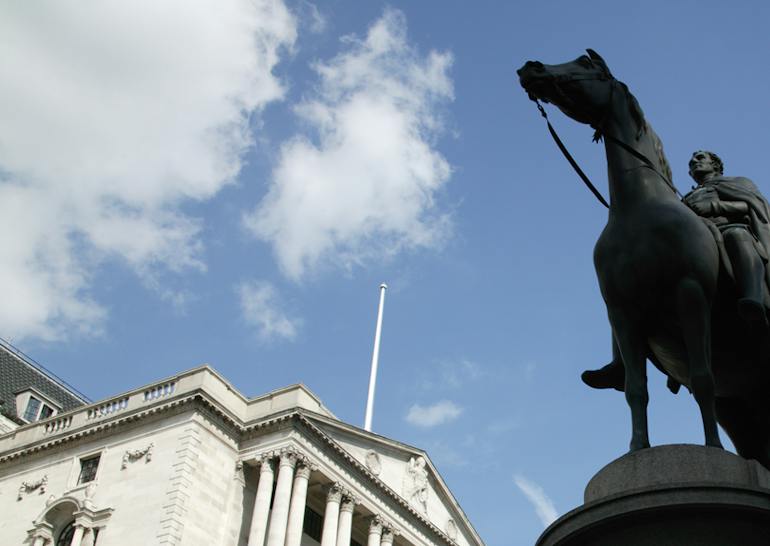
The Bank of England has held interest rates at 3.75% in September, despite rising inflation.
Even though the decision offers no effective change, the comments from policymakers indicate the direction of monetary policy and affect financial markets.
This, in turn, affects the finances of millions of people across the UK with mortgages, savings and other bills all driven by underlying market movements.
Here is what today's announcement means for your money...
What the Bank of England base rate means for mortgages
The direction of the base rate affects mortgage prices in different ways.
The cost of fixed rate mortgages has been surging in the last week or so with major lenders including HSBC and Halifax raising rates.
This is because financial markets believe that inflation is going to become a bigger issue for the UK economy and the Bank of England.
Indeed, inflation in August has this week been revealed at 3.1% - well above the Bank of England's 2% target.
Markets are now expecting the Bank of England to raise rates later this year and, even though there has been no movement today, it is this expectation which is leading to higher rates.
Anyone approaching the end of a fixed-rate deal should be reviewing their options to try to protect your budget from big increases from mortgage bills.
Tracker mortgages usually move in line with the Bank of England base rate, so a decision to keep rates unchanged means monthly repayments should stay the same for now.
However, if rates do go up in the coming months, an increase in mortgage repayments will immediately follow.
What the Bank of England base rate means for savers
Higher interest rates are generally been good news for savers, because it means that you can get better returns on your cash.
By holding rates and driving expectations of increased rates in 2026, the Bank of England is maintaining the conditions that support higher savings rates.
If you have cash stashed away in an account, it's a good idea to check you are earning the best return possible.
Many providers drop interest rates on savings accounts over time so don't let your hard-earned money languish in a low paying deal.
The increase in inflation is all the more reason to look for higher returns.
Your account now needs to be paying at least 3.15 to be keeping pace with the rising cost of living.
The Bank of England base rate and credit cards
Interest rates affect all forms of borrowing including loans and credit cards.
For borrowers now is a good time to check the interest rate on your debt.
Interest rates on loans and credit cards could rise if the Bank of England raises rates in 2026 so check you are getting the best deal possible now and move to a cheaper option if possible.
If you're struggling with debt repayments, reviewing your budget and seeking support sooner rather than later can help prevent financial difficulties from escalating.
How does the Bank of England affect household bills?
A Bank of England rate decision doesn't directly determine energy, water or broadband bills, but higher interest rates can affect the wider economy.
When rates are higher, borrowing costs are typically higher for businesses.
These additional costs can be passed on to customers through higher prices.
The Bank of England generally raises rates when inflation is higher.
At the moment, inflation is ticking up because of higher oil prices relating to conflict in the Middle East.

< Back to articles