
Credit card debt warning as defaults rise across the UK: How to avoid late payments and arrears


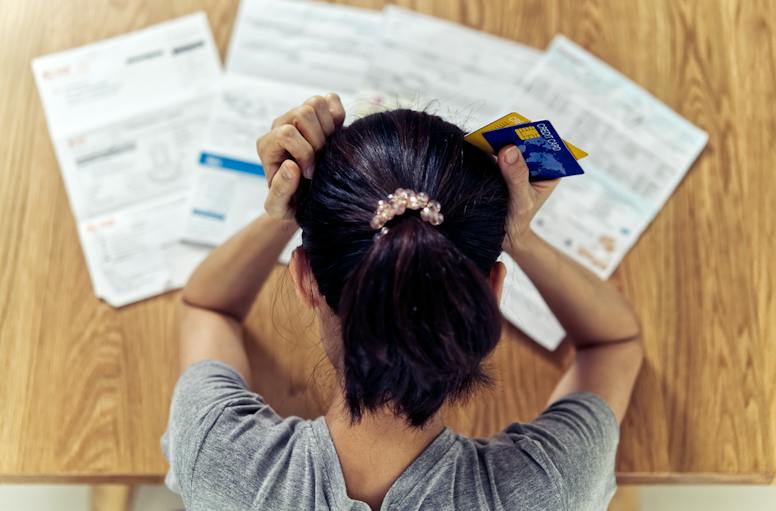
More households are falling behind on their credit card repayments, as the cost of living raises pressure on household budgets.
Lenders have reported a rise in defaults and expect numbers to increase over the coming months, according to the latest Credit Conditions Survey from the Bank of England.
Debt charity StepChange says households are struggling to manage their regular credit commitments alongside essential bills.
Here are some steps you can take if you're struggling with your finances and debt.
Contact your credit card provider as soon as possible
If you think you might miss a credit card payment, contact your provider.
Explain your financial circumstances and what you can realistically afford to pay.
Your provider may be able to discuss options such as a more manageable repayment arrangement, a temporary reduction in payments or changes to the timing of your payments.
Be honest about your income and essential outgoings so that any arrangement reflects what you can afford.
Remember that paying less than the contractual minimum could affect your credit record, so ask your provider how any proposed arrangement would work and what the consequences could be.
Make a list of everything you owe
It can be difficult to tackle debt if you do not have a clear picture of how much you owe and when payments are due.
Gather your credit card statements, loan balances, overdraft details and household bills. Write down:
How much you owe each lender
The interest rate charged on each debt
Your minimum monthly payment
The date each payment is due
Any arrears, fees or missed payments
Then compare your total essential outgoings with your income to see what money, if any, is available for debt repayments.
If you are already missing payments or cannot afford your essential bills, you can access free debt advice.
Money Helper and Step Change are both free resources that can help you prioritise which debts to focus on and recommend formal debt solutions if necessary.
We also have a better money habits guide which gives some tips on how you can reduce your spending and improve your budgeting skills.
Pay more than the minimum if you can
Making only the minimum payment keeps your account up to date, but it also means you'll pay far more in interest and could remain in debt for years.
Even paying a little extra each month can reduce the total interest you'll pay and help clear your balance faster.
If your budget allows, consider increasing your monthly payment by £10 or £20. Small changes can have a significant impact over time.
One useful way to tackle credit card debt is the “snowball” method.
This is where you focus on either clearing the smallest debt first - or the one with the highest interes and continue making minimum payments on the rest.
Once the smallest or highest interest is cleared, move to the next. Then keep repeating.
As each balance is paid off, you free up money to “roll” into the next debt, so your repayments build momentum over time, like a snowball growing as it rolls downhill.
Review your budget
One of the best ways to stay on top of debt is to understand exactly where your money is going.
Start by listing:
Your monthly income
Essential household bills
Food and transport costs
Existing debt repayments
Any discretionary spending
This can help identify areas where small savings could be redirected towards paying off credit card balances.
Be careful about borrowing more to cover existing debts
Using one credit card to make payments on another, or taking out a new loan to cover everyday essentials, can leave you with even more debt to repay.
If you are relying on credit to pay for food, energy or other basic expenses, this could be a sign that your budget is no longer sustainable.
Where possible, pause non-essential spending and look for ways to reduce regular costs. Check whether you are receiving all the benefits and financial support you are entitled to.
If you are already struggling to make repayments, speak to a free debt adviser before taking on more credit.
Check whether you are missing out on financial support
If rising bills have left you relying on credit cards, check whether there is additional support that could ease the pressure on your household budget.
Depending on your circumstances, you may be entitled to benefits or other help with housing costs, energy bills or essential expenses.
You can use a benefits calculator to check what you might qualify for, and contact your local council to ask about support available in your area.
If you are struggling with energy bills, contact your supplier to discuss the help it may be able to offer. Your supplier may be able to agree a payment plan or direct you towards relevant support schemes.
Even if extra support does not cover all your costs, it could help free up money for essential bills and reduce the need to borrow.

< Back to articles