
Five popular Black Friday scams and how to spot them


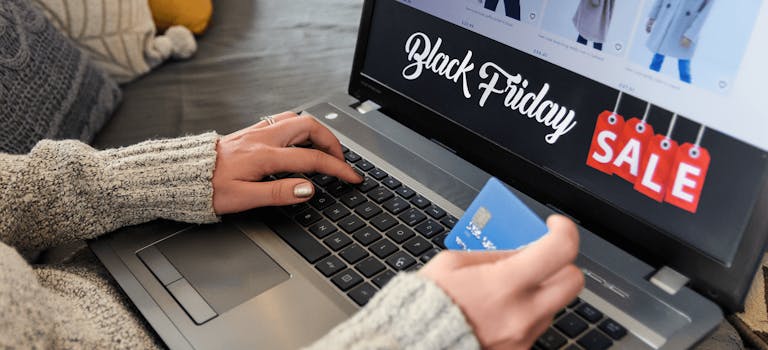
Brands all over the UK are launching Black Friday sales with discounts on everything from tech to clothes. Many shoppers are making the most of the offers ahead of Christmas, with spending projected to reach nearly £14 billion across the month of November.
And while there are some great deals to be had, scams are also rife this time of year. According to the latest figures, shoppers lost over £11.5 million to online criminals between November 2023 and January 2024, with each victim losing £695 on average ahead of the festive period.
The rise of AI has made it easier than ever for fraudsters to trick people into handing over their personal details and hard-earned cash, so losses could be even bigger this year.
Here is an overview of some of the most popular scams to look out for this Black Friday and how to spot them so you can keep yourself safe.
Phishing emails from “popular brands”
Scammers are using AI to create fake emails pretending to be from popular brands like Amazon or Argos. These emails might say there’s been a problem with your order or try to coax you into handing over your card details by offering a “special deal”. But the link takes you to a fake website that steals your personal details or card information.
AI makes it easier than ever to create convincing emails without grammar or spelling mistakes and even copy popular brands’ styles.'
But, you're probably dealing with a scammer if:
- the email address looks wrong – there could be a missing letter or oddly-placed punctuation, and the domain name might be misspelled
- the email is urgent or even threatening in nature – it might claim your order will get cancelled unless you pay an outstanding fee immediately, for example
- you're not addressed by your name – generic greetings like “dear customer” are a dead giveaway that this is a mass email sent to lots of different people
If you suspect an email is a scam:
- don't click on any links within the email as this could take you to a fake website designed to steal your information
- go straight to the retailer’s website by typing it into your browser to check on your order or any offers
Fake giveaways on social media
Genuine brands are all over social media during Black Friday, usually posting about special offers and discounts. But scammers often copy their profiles, using a near-identical name and picture. They'll comment under real posts posing as the brand, saying things like 'DM us to win a free iPhone!'
Tell-tale signs of this scam include:
- a subtle spelling mistake in the fake social media profile, as they can’t use the exact same name as the brand
- an unverified social media profile with very few followers
- a social media profile which was set up recently
Brands running giveaways will usually create posts with clear rules, contact information, and terms and conditions. They won’t spam the comments under their own posts, and you won’t need to DM them with lots of personal information or your card details to participate or claim your prize.
Fake ads by brands that seem familiar
If an ad looks too good to be true this Black Friday, it probably is. Scammers are using clever AI tools to make fake ads that look just like the real thing.
Click one, and you might end up on a spoof site that feels legit. But if you buy something on there, it won’t arrive. Worse still, your card details and personal information could be stolen.
It can be hard to spot this scam, as the ads and websites are made to look convincing. However, tell tale signs include:
- deals that look too good to be true with incredibly low prices
- domain names that are misspelled or look otherwise wrong
- possible spelling or grammar mistakes on the website, though this is rarer now as many scammers use AI to create error-free content
The best thing to do if you spot an ad with an amazing deal is to go to your browser and search the website independently without clicking on any links in the ad. If the deal is real, it’ll show up on the actual website.
Counterfeit luxury goods on online marketplaces
Online marketplaces like Facebook marketplace or eBay can be a brilliant way to bag a bargain, but they’re rife with scammers too. Beware of people posting suspiciously cheap luxury goods as part of supposed “Black Friday” deals.
It's probably a scam if:
- the prices are far too low – luxury goods go on sale too, but if you’ve never seen prices as low as these, there’s probably a reason why
- the seller is using stock photos – if the seller has simply ripped off the real site’s actual photos and refuses to send you photos of the product, that’s a pretty big red flag
- the reviews are poor – this isn’t foolproof, as scammers often inflate their ratings using fake reviews, but if you notice there are lots of poor reviews, that’s a good sign to steer clear of the deal
If you fall for this scam, you’ll usually end up handing over your money and receiving a poorly made counterfeit product in return.
Fake delivery texts
With this scam, you’ll usually get a text saying your package is delayed or needs a small payment. It might look like it’s from Royal Mail or Evri. But, if you tap on the link in the text message, you’ll be taken to a fake site that asks for your details.
You’ll have probably come across this scam before, but it’s popular during the Black Friday period when lots of people are buying products online and expecting deliveries.
It’s very similar to the phishing email scam, so to avoid falling for it:
- don't click on any links in the actual text message
- check your delivery status using the courier’s official app or website
If you didn’t order anything, you can ignore the text altogether.
What to do if you think you’ve been scammed
If you think you’ve fallen for a Black Friday scam, acting fast is key. Here’s what to do:
- contact your bank immediately – they might be able to stop or reverse the payment, and they’ll help secure your account
- report the scam to Action Fraud – you can do so by using the online form or by calling 0300 123 2040
The quicker you report the scam, the better your chances of protecting your money and personal information.
Find out more about how to stay safe from scams and what to do if you're a thinkmoney customer by checking out our fraud and scams hub.

< Back to articles