
Free and easy ways to cut your heating costs as energy bills rise in October


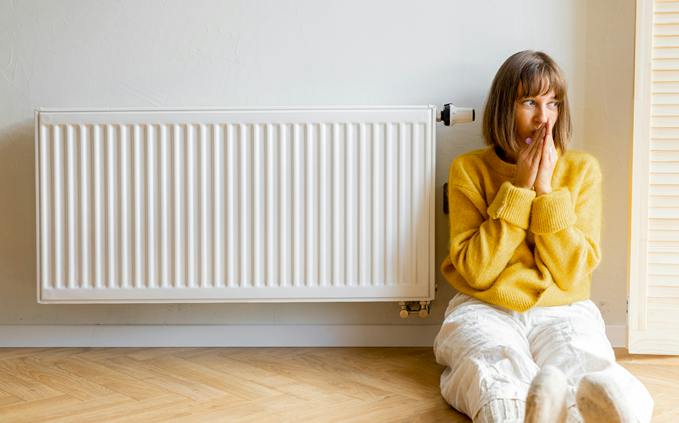
Heating costs will be a big worry for UK households this winter a energy bills jump next month, just as the weather is turning colder.
The energy price cap will rise by 4% from 1 October 2026 to £1,723 a year for a typical household using gas and electricity and paying by Direct Debit.
However, the exact amount you actually pay depends on how much energy you use.
Heating homes is a big chunk of energy bills over the colder months, but there are ways to help bring down costs.
Check your heating timer
The last thing you want to is pay to heat you home when no one is there.
Use your programmer or heating controls to make sure your heating comes on when you need it and switches off when you don't.
For example, you could programme the heating to come on shortly before you get up and switch off before you go to bed.
But make a calendar reminder to adjust the controls as needed, if you are going away for the weekend, for example.
Turn down radiators in rooms you don't use
If you have thermostatic radiator valves (TRVs), use them to control individual rooms.
You don't necessarily need every radiator running at the same temperature.
For example, you could have a warmer living room while turning off the radiator in a spare bedroom.
Set the valves to the lowest level that keeps each room comfortable.
This helps prevent you from heating rooms more than needed.
Check your boiler flow temperature
If you have a gas boiler, check the boiler flow temperature.
This controls how hot the water is that the boiler sends to your radiators.
If the flow temperature is set higher than necessary, lowering it could help your boiler work more efficiently.
However, it should not be set so low that your home cannot reach a comfortable temperature, particularly during cold weather.
If you're unsure how to adjust it, check your boiler manufacturer's instructions.
Don't block your radiators
Furniture, curtains and other objects in front of your radiator can stop the warm air from circulating around the room.
Try to keep the area around your radiators clear so heat can circulate.
Also avoid drying clothes on your radiator which will also block the heat.
Also check that your thermostat isn't covered by curtains or furniture, as this can affect its ability to accurately measure the room temperature.
Draught-proof your home
Stopping cold air getting in and warm air escaping can make your home feel more comfortable without simply turning up the heating.
It doesn't need to cost much, just fill gaps around doors, windows and letterboxes.
You can use rugs to cover gappy floorboards too.
Just make sure you don't block essential ventilation, especially in the kitchen and bathroom.
Bleed your radiators
If the top of a radiator feels cold while the bottom is warm, there could be trapped air inside.
Bleeding a radiator releases the trapped air and allows it to heat more effectively.
You'll just need a radiator key which you can get for a couple of pounds from Amazon if you can't find one at home.
Make sure the heating is switched off before bleeding radiators, you can find online videos to help take you through the process step-by=step.

< Back to articles