
Hosepipe ban rules explained: Where restrictions are in place, £1,000 fines, and how to save money on water bills


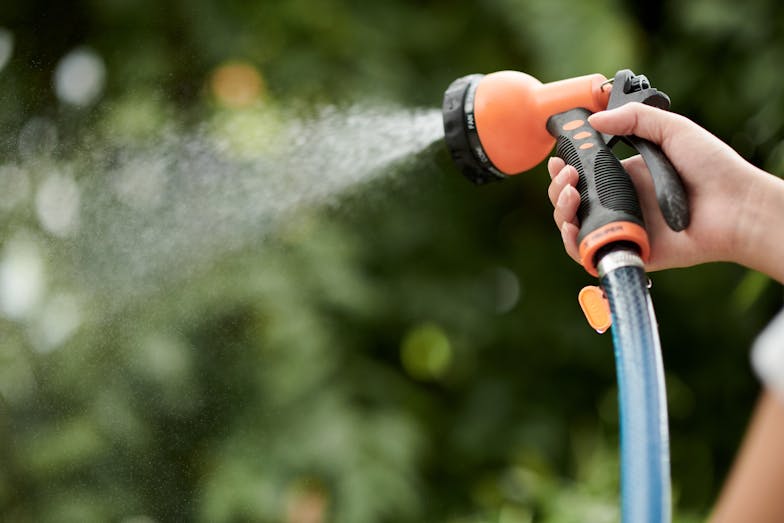
Soaring summer temperatures in the UK combined with little to no rain over have meant more water companies are putting hosepipe bans in place as demand for water surges by up to 20% in some places.
Thames Water is the latest supplier to make the move, which will impact millions more households.
The restrictions - known for officially as Temporary Use Bans (TUB) - help curb water use and take pressure of reservoir supplies by stopping the use of hosepipes.
Here's what you need to know about where in the UK has a ban, the rules, your rights and how a hosepipe ban could affect your household budget.
Where are the UK hosepipe ban areas?
Thames Water is the latest company to put a hosepipe ban in place from 23 July 2026.
The move affects anyone who gets their water supply from Thames Water.
The firm said: "Introducing a hosepipe ban is not a step we take lightly."
Thames Water said the ban is a result of prolonged dry weather and recent heatwaves, very low rainfall levels, higher than normal water demand, as well as forecasts for continued hot, dry weather.
The supplier added: "We've been working around the clock to maintain water supplies, but we now need everyone's help to reduce non-essential water use."
It follows Anglian Water where a ban affects parts of East England including Cambridgeshire, Essex, Norfolk, Suffolk and Lincolnshire.
The firm said: "We've worked hard to avoid restrictions through investment in our network, fixing leaks and improving resilience, but the prolonged dry weather and record demand mean we now need everyone's help to save water."
It follows a ban by South East Water for all its customers in Kent, and Southern Water for Hampshire and the Isle of Wight.
Cambridge Water has put in place a ban which takes effect from 17 July.
Affinity Water is also putting a ban in place from 17 July covering its customers in Bedfordshire, Berkshire, Buckinghamshire, Hertfordshire, Surrey, and parts of London and Essex.
The firm said demand for water is currently higher than expected for the time of year amid the hot weather, up 20% on average.
What can't you do during a hosepipe ban?
Restrictions can vary depending on where you live and your exact water company.
But you are usually banned from using a hosepipe to:
Water gardens or lawns.
Fill paddling pools or swimming pools.
Wash cars, vans or motorbikes at home.
Clean patios, driveways or paths.
Wash windows or walls.
Fill ornamental ponds or fountains.
Clean boats or caravans.
What can you do during a hosepipe ban?
In most cases, you can still:
Water plants using a watering can.
Water gardens using rainwater collected in a water butt.
Drink tap water as normal.
Shower, bathe and use household taps.
Wash clothes and dishes.
Cook and prepare food.
Water indoor plants.
Give pets fresh drinking water.
Some commercial businesses may also be allowed to use hosepipes depending on the nature of their work.
What are the fines for using a hosepipe during a ban?
Water companies can take action if customers deliberately ignore a Temporary Use Ban.
In England and Wales, that means anyone who breaches a hosepipe ban could be prosecuted and fined up to £1,000.
Water companies usually encourage customers to comply voluntarily before taking legal action, but repeated or deliberate breaches may result in the big fine.
Are there exemptions for Blue Badge holders or medical needs?
Water companies can offer exemptions from the hosepipe ban for certain customers.
Although exemptions vary, they commonly include people who:
Have a Blue Badge.
Have a medical condition requiring frequent water use.
Need water for health or mobility reasons.
Use Blue Badge parking because of a disability and need to clean adapted vehicles.
Require water for dialysis or other essential medical equipment.
Some exemptions also apply to businesses, sports facilities and animal welfare.
If you think you may qualify, check your water company's website or contact it directly before using a hosepipe during a ban.
Can you save money during a hosepipe ban?
If you have a water meter, and pay for the exact amount of water you use, using less water during a hosepipe ban could also help slice down your bill.
Hosepipes only tend to make up a small part of a household's total consumption but it could be a good time to assess the amount you use and bring down costs.
For example, you could use a timer to keep your showers shorter. Or try repurposing water where possible - such as washing fruit and veg in a bowl of water rather than a running tap and then using that water to give your plants a drink.
However, if you pay a fixed-rate water bill based on your property's rateable value, using less water won't normally reduce what you pay.
How can I check if there's a hosepipe ban where I live?
Hosepipe bans are introduced by individual water companies rather than across the whole country.
The easiest way to check is by visiting your water company's website or entering your postcode into its online checker, if available.
Your water company will also usually contact customers by email, text or post when new restrictions are introduced.

< Back to articles