
Landlords can now be fined up to £7k over damp and mould under new rules – what it means for renters


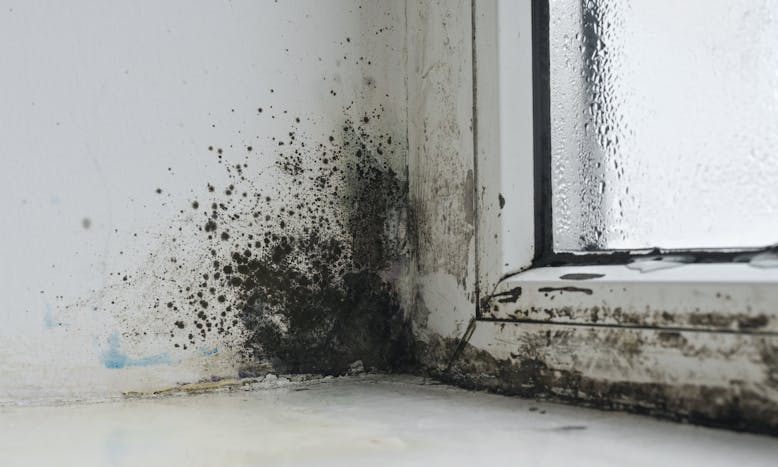
Renters living with damp, mould and other dangerous issues in their homes could finally see quicker action thanks to changes taking effect today 22 June.
Landlords who fail to fix problems now face fines of up to £7,000 as councils across England have been given stronger powers under the Renters’ Rights Act to crack down on unsafe housing and force improvements.
Which hazards can landlords be fined for?
The most dangerous housing hazards are more common than many renters might think, with around one in 10 private rented homes affected.
This includes severe safety risks including:
Damp and mould
Faulty electrics
Fire hazards
Structural issues
Unsafe layouts
Very cold or freezing conditions
Local councils can now issue on-the-spot fines of up to £7,000 if landlords refuse to deal with these issues in rental homes.
What has changed under the rules?
Councils already had the power to order landlords to carry out repairs, step in and fix urgent problems themselves and recover costs from landlords who fail to act.
However, they can now issue bigger penalties to people renting out substandard homes.
It's hoped these financial penalties will speed up action from landlords, stopping renters from being left in unsafe homes for months or even years.
Housing Secretary Steve Reed has now urged councils to use every tool available to hold rogue landlords to account.
He said: "Renters deserve a safe, secure place to call home and our landmark Renters’ Rights Act gives councils more options to take speedy action against rogue landlords.
"These include the new power to issue a £7,000 penalty to a landlord when there is a hazard like severe damp or mould in a privately rented home – a situation that no family should have to live with."
What does it mean for renters?
Problems such as mould and damp aren’t just annoying and unsightly, they can seriously affect health.
It is especially dangerous for children and people with respiratory conditions.
The tougher fines are the latest change for tenants who have been given greater rights as part of the Renters’ Rights Act which took effect on 1 May 2026.
Alongside the new fines, this government is updating the Housing Health and Safety Rating System (HHSRS) for the first time in 20 years.
This is the system is used to assess health and safety in all types of housing, in an effort to make it simpler to identify dangerous risks and take action.
It's hoped that alongside the end of section 21 notices, renters will have more power to complain about housing without fear of being kicked out.

< Back to articles