
Locksmith scam: how to spot it — and other common doorstep scams to watch for


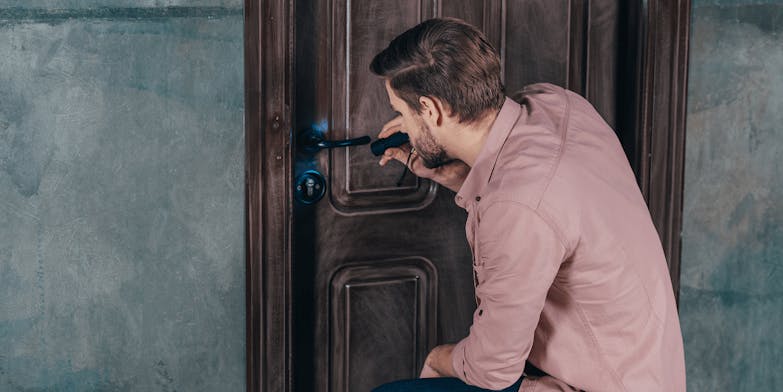
Doorstep scams are becoming more common, and one of the latest to hit the headlines is the locksmith scam. It was recently exposed in a BBC investigation, which showed how easy it is for people to be caught out; especially when they’re locked out and stressed.
The BBC locksmith scam investigation – what happened?
In the BBC investigation, an elderly couple got locked out after a key was left in their door. When they phone a locksmith, he quotes around £49. But once the locksmith arrived, he drilled the lock, caused major damage, claimed extra work was needed, and handed them a bill of more than £2,800. They later paid another £2,244 to a reputable locksmith to repair the damage.
As part of its investigation, BBC London set up hidden cameras in a test property. A Master Locksmiths Association (MLA) expert confirmed the door could be opened in seconds without damage. But when the same company visited the BBC test property, the price jumped from a low phone quote to more than ten times the original amount. The locksmith drilled the lock unnecessarily, added multiple extra charges, and issued a final bill of £376.80. When questioned, he blamed “miscommunication”.
This scam is an increasingly common doorstep scam, so it’s important to make sure you’re aware of the warning signs and how to stay safe.
How much should a locksmith charge to unlock a door in the UK in 2026?
A fair price for a simple lockout, where the door has closed behind you and the lock isn’t broken, is usually around £60 to £150 in 2026. They’ll typically charge on the lower end if the call out is during normal daytime hours, and the higher end for weekend or evening work.
What is a locksmith scam?
A locksmith scam usually involves:
- a very low quote online, then a huge increase once they turn up
- drilling the lock, even when they don’t need to
- unnecessary damage to the door or frame
- pressure to replace the whole lock or even the whole door
- demands for cash or fast payment
Scammers rely on you being stressed, cold, or desperate to get inside.
How do legit locksmiths work?
- A trained locksmith should try non-destructive entry first.
- Drilling is usually a last resort, not the first option.
- Prices should be clear and upfront, not vague “from” prices.
- Out-of-hours jobs may cost more, but you should still get a proper quote.
How to find a legit locksmith in an emergency
Here’s what to do if you’re locked out.
- Search for a local locksmith, not a national call centre.
- Check if they’re on the MLA database.
- Ask for the full price, not a “from” price.
- Ask whether they can pick the lock without drilling.
Ideally, save the number of a trusted locksmith in your phone before you need one. This saves you scrambling to find one online last minute.
Other common doorstep scams to watch out for in 2026
Locksmith scams aren’t the only ones around. Here are the other doorstep frauds to watch out for and how to avoid them.
Postal scams
Scammers send letters pretending to be from your bank, HMRC, the council or delivery companies. Some warning signs include:
- spelling mistakes or odd wording
- a number you don’t recognise
- requests for bank details
- threats of court action
- pressure to act immediately
What to do if you get a fake letter
- Don’t use any phone numbers printed on the letter to make contact.
- Look up the official number on the organisation’s website and call to confirm it’s legit if you’re unsure.
- Tools like AskSilver can help you check if a letter or message is real.
Rogue traders
These scammers knock on your door saying they’ve spotted something wrong with your home; a loose roof tile, weeds on the driveway, a blocked gutter.
Once you agree to have them “fix” the issue, they overcharge and do a shoddy job or they take the money and vanish.
How to tell if they’re real
Genuine traders might leave a leaflet or politely offer a quote, but they won’t pressure you, claim something is urgent, or demand payment immediately. Real traders expect you to compare quotes and call them back later even if they come to your door to solicit business.
Fake charity collectors
Most charity fundraisers are genuine, but scammers do show up at doors.
If you’re not sure a charity rep is legit, there are a few red flags to watch out for. They:
- can’t explain what the charity does
- don’t have a registered charity number
- pressure you to donate
- ask for cash only
How to check a charity is real
- Look up the charity number on the Charity Commission website.
- Go to the charity’s official website (not a link they give you at the door).
How to avoid doorstep scams
Age UK recommends the following simple steps:
- Don’t open the door unless you’re expecting someone.
- Use a door chain or speak through a closed door.
- Ask for ID and check it properly.
- Never agree to work on the spot.
- Don’t pay upfront, especially in cash.
How to report a doorstep scam
If you think you’ve been targeted:
-
report it to Action Fraud
-
get help from Citizens Advice
-
if someone is at your door and you feel unsafe, call 999

< Back to articles