
Stronger Buy Now Pay Later protections are coming: what they mean for you


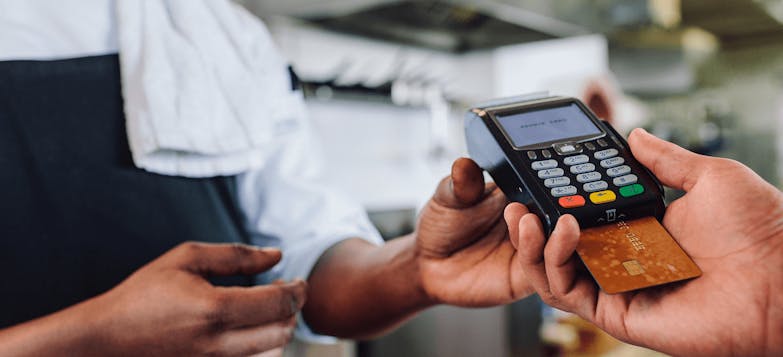
Buy Now Pay Later (BNPL), the payment option that lets you spread the cost of shopping, will soon come with proper consumer protections. BNPL can be used for all sorts of things, like buying new clothes, tech items, or even spreading the cost of takeaways. Popular examples include Klarna, Clearpay and PayPal Pay in 3.
The Government has confirmed that from 15 July 2026, BNPL will be regulated by the Financial Conduct Authority (FCA). This means clearer information, affordability checks and stronger protection if things go wrong.
BNPL has grown fast, from around £60 million in 2017 to over £13bn in 2024. With millions now using it each year, the aim is to help people borrow safely. Currently, affordability checks for this type of borrowing aren’t stringent, meaning people can borrow more than they can afford.
Our consumer expert at thinkmoney, Vix Leyton, says: “One of the challenges is that BNPL is often presented as a budgeting tool rather than debt. It’s ‘sparkly pink debt’ because the branding and language can make it feel softer and safer than other forms of credit, which affects how seriously people take it.
“Bringing BNPL under regulation is absolutely the right move because it puts essential guardrails around a product millions rely on. But it also shines a light on the wider issue. If people had more financial resilience and fair access to banking and support, they would not need to lean so hard on short-term credit just to stay afloat.”
Here’s what the new rules mean for you.
What protections will BNPL users get from July 2026?
Here are the key protections BNPL users will get from July 2026.
Clearer information before you sign up
Lenders will need to give you simple, upfront details about:
when payments are due
how much each payment will be
what happens if you miss one
This should make BNPL less confusing and easier to compare with other ways to pay. It’ll also drive home the point that this is still a type of borrowing, and there can absolutely be consequences as a result if you fail to keep up with payments.
Affordability checks on all BNPL deals
For the first time, BNPL lenders must check whether you can afford the repayments – even for small purchases under £50. This reduces the risk of accidentally taking on more borrowing than you can manage.
Affordability checks will also likely affect people who’ve previously only had access to BNPL as a source of credit. Vix adds: “Buy Now Pay Later has become the financial sticking plaster for a much bigger problem. When people have no emergency fund, no savings cushion, and no realistic way to access a cash injection, spreading payments can feel like the only thing standing between them and going under.
“For some households, especially those who are unbanked or excluded from mainstream credit, BNPL is not about impulse spending. It is about keeping life moving. Covering essentials. Getting through the month.”
The issue with this approach is, that while unregulated, BNPL was always a form of debt which could make a bad financial situation worse, particularly when people who couldn’t afford the borrowing still qualified. The new rules aim to change this.
Help and support if you fall behind
If you miss a payment or get into difficulty, BNPL providers will need to:
offer support
explain your options clearly
point you to free debt advice where appropriate
This matches the level of care you’d get with other types of regulated credit and means you can get help if you ever fall behind.
The right to complain to the Ombudsman
If something goes wrong and the lender doesn’t fix it, you’ll be able to take your case to the Financial Ombudsman Service. This gives you an independent way to resolve disputes.
Which BNPL firms will this cover?
All BNPL lenders will need to be authorised by the FCA. There’s a temporary permission window between 15 May 2026 and 1 July 2026, and firms then have six months to get fully authorised.
One key exception to this rule is shops that offer their own in‑house credit (“merchant own credit”); they remain exempt.
What the new BNPL rules mean for you right now
The key thing to remember is that protections don't actually apply let. Until 15 July 2026, BNPL products are still largely unregulated. That means:
lenders don’t have to run the same affordability checks
firms don’t have to offer the same level of support
you can’t take most complaints to the Ombudsman
Remember: BNPL is still borrowing
It can be a handy way to spread costs, but it’s still a debt. Before using it, check:
can you afford the payments?
will you be able to pay on time?
do you already have other BNPL plans running?
Missing payments can lead to fees or affect your credit record (depending on the provider).
When the new BNPL protections start
All the new safeguards, clearer terms, proper checks, more support, and the right to complain, will apply from 15 July 2026. BNPL will still be available, but it should feel safer and more transparent to use.
Borrowing under BNPL may become harder if you don’t pass the new affordability checks. However, getting into more debt to cover the essentials month to month is not the way forward anyway. It’ll only make a bad situation worse in the long run.
There’s lots of support out there if you’re struggling with household bills. Take a look at our cost of living hub for a wealth of resources and places to turn if you’re struggling to cover the basics. Or, contact organisations like MoneyWellness or MoneyHelper to seek debt advice; there are often solutions that can be offered depending on your circumstances.

< Back to articles