
UK heatwave could push up food prices: The fruit and vegetables at risk


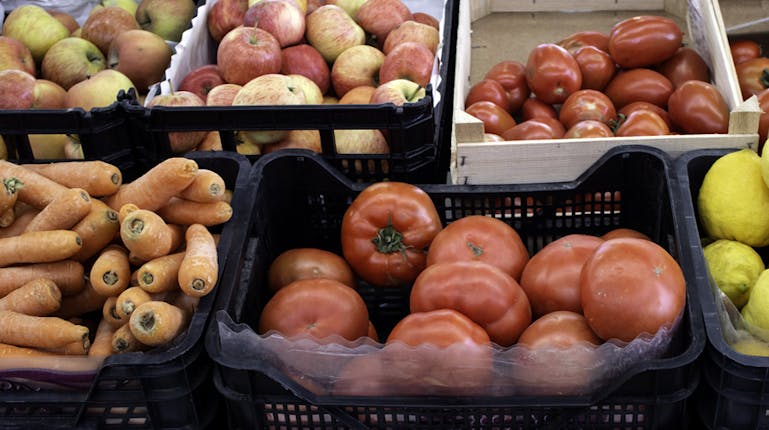
Britain's heatwaves and dry summer is affecting the size, shape and appearance of some vegetables amid worries of food shortages and higher prices as a result of the weather.
Farmers have struggled with high temperatures, dry soils and water shortages with half of England now in drought.
The Environment Agency and National Farmers Union (NFU) have warned the extreme weather is leading to earlier harvests, poorer crop yields and increased costs for food producers, raising concerns about the knock-on effect on food supplies and prices.
If farmers produce smaller quantities of a crop, or yields are lower than expected, there may be less British-grown produce available.
The hot weather could also mean that shoppers are set to see more misshapen or smaller produce than usual in the supermarkets.
Which fruit and vegetables are being affected by the heatwave?
Growers are reporting problems with a number of British fruit and vegetables as a result of the hot and dry weather.
Supplier Nationwide Produce, works with UK growers and says sustained the conditions of this summer are slowing crop development, putting pressure on irrigation and creating quality variations.
The organisation says cauliflower, cabbage, broccoli and Tenderstem broccoli are among the vegetables feeling the effects of the heat.
Some brassica crops are slowing down or entering a dormant state rather than growing at their normal rate.
Heat stress can also affect the size and appearance of vegetables.
For example, Tenderstem broccoli plants can be shorter than usual, while cabbage crops can show discolouration and damage to their outer leaves.
Could UK vegetables become smaller or 'wonky' because of the weather?
Some UK-grown vegetables could look different as a result of the extreme weather.
Growers are reporting variations in size, shape and appearance as crops respond to heat and drought stress.
This doesn't mean the vegetables are unsafe or lower in quality but they could be less visually appealing - or just different to what customers are used to seeing.
Many supermarkets, including Tesco and Morrisons already sell fresh produce that is perfectly edible but is 'wonky' or looks different to usual, often as lower prices than other lines.
Could food prices rise because of the heatwave?
There is a risk that prolonged heat and drought could put upward pressure on food prices.
If farmers produce smaller quantities of a crop, or yields are lower than expected, demand for more expensive imported food could increase.
However, this does not immediately translate to widespread food shortages or immediate price rises across every supermarket aisle.
The impact of the weather this summer will feed through slowly, as famers harvest their crops and if suppliers decide to pass on the cost of higher feed and other production costs.
How to save money on fruit and vegetable prices
If you're worried about your food bill, there are several ways to cut the cost of your fresh produce.
Frozen vegetables can be cheaper than fresh equivalents and last much longer, helping to reduce food waste, especially for broccoli, peas, spinach and berries.
If supermarkets stock more misshapen or smaller produce, don't automatically assume it's inferior. It could be a chance to save cash on more premium lines without compromising on taste or nutrition.
Check supermarket reduced sections towards the end of the day.
Fruit and vegetables approaching their use-by or best-before dates can come with some tasty discounts.

< Back to articles