
UK inflation eases to 3% after last month’s surprise rise


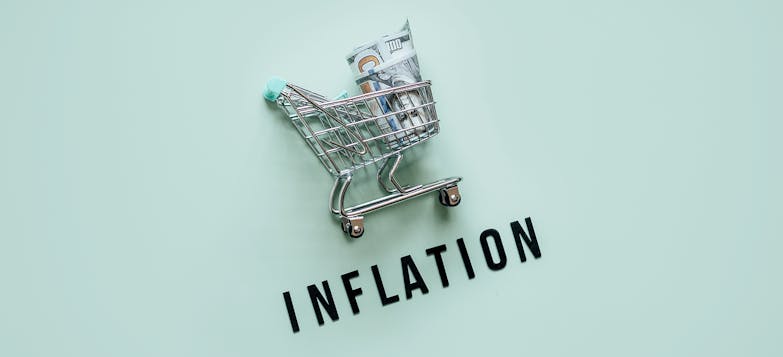
The latest UK inflation data released today shows that Consumer Prices Index (CPI) inflation is now 3% down from 3.4% in December, when prices rose unexpectedly after five months of falls.
The new inflation figure is in line with predictions. Economists had expected inflation to drop to around 3%, according to FactSet consensus, which would mark the lowest level in a year. Even though inflation remains above the Bank of England’s 2% target, a fall this month suggests the December jump was a blip rather than the start of a new trend.
The news comes after the ONS announced the highest rate of unemployment since 2021 yesterday (17th February). Unemployment in the UK now stands at 5.1%.
What caused inflation to move this month?
Transport, food and non-alcoholic drinks were among the biggest downward contributors to inflation in January, though there was a general fall among most categories.
This month’s drop suggests price pressures continue to cool, even though some categories may still be rising faster than others.
Inflation falling does not mean prices get cheaper overnight. It simply means they are rising more slowly than before. This usually feels like a slow easing, not an instant win for household budgets.
Our consumer expert Vix Leyton says: "When inflation falls, it’s natural to wonder when you’ll actually feel the benefit. The important thing to know is that easing inflation doesn’t show up overnight. Prices don’t suddenly drop — they just rise more slowly, and different costs move at different speeds.
"Falling inflation isn’t an instant fix for household finances, but it is a sign that the pressure is easing rather than building. The headline numbers may move quickly, but the impact day‑to‑day takes time. The best approach is still to focus on steady, practical steps rather than expecting dramatic overnight changes."
Why last month’s rise didn’t mean inflation was “back”
In December, inflation rose to 3.4%, up from 3.2%, driven by seasonal and one‑off factors such as higher airfares, tobacco duty and food costs; not a broad surge in prices. These were short‑term influences rather than signs of an inflation comeback.
Are interest rates likely to be cut in March?
Today’s inflation data, combined with a cooling jobs market, makes a March rate cut more likely, though not guaranteed.
Several UK economists now expect two interest rate cuts this year, with the first possibly coming next month if inflation continues to fall.
The Bank of England has said repeatedly that it needs to see clear evidence of cooling wage growth and lower inflation before cutting rates and the latest labour market data helps their case.
What to do if you’re still struggling with household costs
Even with inflation easing, many people still feel stretched. Here are some simple steps that can help:
Check what benefits you can claim — many households miss out on support they’re eligible for, but there are plenty of benefits calculators online you can use for free which will tell you what you're entitled to.
Look at council‑run schemes, like the Household Support Fund or discretionary housing payments.
Speak to your energy or water suppliers — many offer hardship grants or payment plans.
Visit our cost of living hub for practical support — it contains lots of resources and ideas to cut household bills and everyday expenses in general.

< Back to articles