
UK inflation holds at 3% – but rising energy costs may push it up again


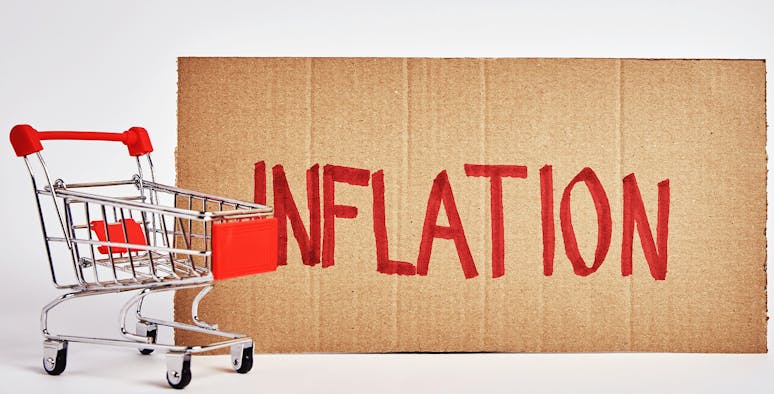
The latest UK inflation figures for February show that Consumer Prices Index (CPI) inflation stayed at 3.0%, unchanged from January. On a monthly basis, prices rose 0.4%, the same pace seen this time last year. Clothing pushed inflation up, while cheaper motor fuels helped hold the headline rate down.
This was the last inflation reading collected before the Middle East conflict sent global oil and gas prices sharply higher. Economists warn that this means the February figure doesn’t yet reflect the pressures now building in energy markets.
What is inflation?
Inflation measures how much prices rise over time. When inflation falls, it doesn’t mean things get cheaper, it just means prices are rising more slowly. The Bank of England’s target for inflation is 2%, which is meant to support stable prices and a healthy economy. Today’s figure is above this month.
Why inflation held steady this month
Inflation stayed at 3% mainly because the price movements were fairly balanced. Clothing prices increased compared to last year, which pushed inflation up. But cheaper petrol and diesel pulled the rate down again.
At the same time, the data was collected before global energy prices spiked due to the Iran–Middle East conflict. Analysts say this means February’s figure does not show the impact of the ongoing energy shock.
The figures in context
Just like last month, it’s important to remember that inflation holding at 3% doesn’t mean prices are staying still. Costs are still rising, just at the same pace as before. That means households won’t feel a sudden improvement, but they also won’t see a worsening from this specific month’s data.
Energy prices are likely to be the biggest driver of change in the months ahead. Experts say inflation could rise again, though they don’t expect to see the same swings we saw in 2022. They warn that expensive energy often spreads into other areas such as food, leisure and travel, making everyday costs harder to manage. Any rise in household energy bills later this summer would add to inflation too.
Are interest rates likely to be cut in April?
A few weeks ago, a spring rate cut looked possible. But the Middle East conflict has changed that picture quickly.
The war has pushed up oil and gas prices and increased uncertainty. This has made the Bank of England far more cautious, and it decided to hold the rate at 3.75% in March (a March cut was widely expected prior to the conflict).
Several economists now say a rate cut in April is much less likely, and some warn that the Bank may even pause cuts for longer until it understands how big the energy shock will be.
Before the conflict, the Bank had expected inflation to fall to 2% by the end of the year. Now, analysts say rising energy costs could keep inflation higher for longer. Some forecasts even suggest inflation could end 2026 around 3.5% if energy remains expensive.
What to do if you’re still struggling with household costs
Even with inflation holding steady, many households still feel stretched. Here are some simple steps that can help.
1. Check what benefits you can claim
Many families miss out on support they are entitled to. Free online benefits calculators can tell you what you might be owed.
2. Look at help from your local council
Schemes like the Household Support Fund or discretionary housing payments can provide short‑term relief.
3. Speak to your energy or water suppliers
Most offer payment plans and, in some cases, hardship funds if you’re struggling.

< Back to articles