
Your minimum wage pay rise just landed… but are you actually better off?


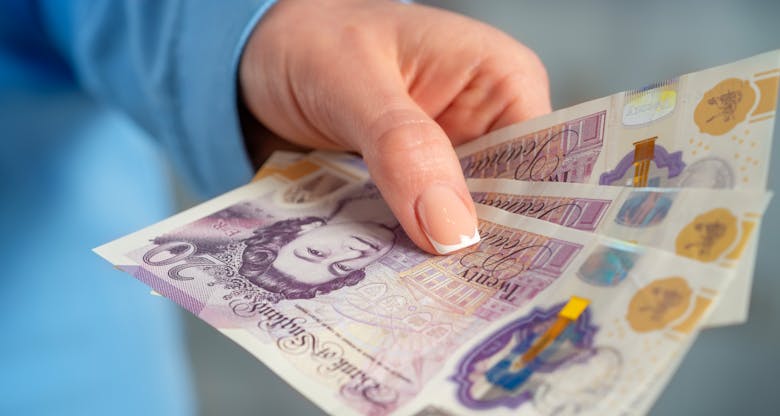
The new minimum wage rates kicked in on 1 April 2026. If you're on the National Living Wage, you'll now earn £12.71 an hour, up from £12.21. That's an extra 50p for every hour you work.
On paper, that's good news. But April also brought higher council tax, bigger water bills, pricier broadband and a jump in the TV license. So is your pay rise actually putting more money in your pocket, or is it just covering what's gone up?
We've done the maths.
How much more will you earn?
If you're 21 or over and work a typical 37.5-hour week, your gross annual salary on the new minimum wage is around £24,784. That's up from £23,810 last year; a rise of £975 before tax.
After income tax and National Insurance, the real increase in your take-home pay works out at roughly £58 to £60 extra per month, depending on your tax code and circumstances.
For 18 to 20-year-olds, the increase is even bigger in percentage terms. The hourly rate jumps from £10.00 to £10.85, an 8.5% rise. On a full-time basis, that's an extra £1,657 a year before deductions.
If you're 16 to 17 or an apprentice, the rate goes up from £7.55 to £8.00 an hour.
Now here’s what's going up at the same time
Several household bills have risen alongside the pay increase. Here's what a typical household is looking at from April:
Council tax is up by an average of 4.9% across England, though the exact increase varies significantly depending on where you live. For a Band D property, the average bill is now £2,392; that's £111 more than last year, or roughly £9 extra a month.
Water bills across England and Wales have risen by an average of 5.4%, adding around £33 a year. Some areas are seeing much steeper increases, with several providers imposing double-digit rises.
The TV licence has gone up from £174.50 to £180, an increase of £5.50 a year.
Broadband and mobile contracts with annual price rise clauses are also kicking in this month. Many providers still apply inflation-linked increases, which could mean an extra £1 to £4 a month on broadband alone, plus similar rises on mobile. If you're out of contract, you may be able to avoid these entirely by switching.
NHS dental charges in England have gone up by an average of 1.7%. A Band 3 treatment like dentures now costs £332.10, up £5.40 from last year.
Car tax (Vehicle Excise Duty) has risen from £195 to £200 for most cars registered after April 2017.
The one bill that's actually fallen
Energy is the bright spot. The Ofgem price cap dropped by 7% on 1 April, cutting the average annual bill by £117 for households on a standard variable tariff. That brings the typical annual energy bill down to £1,641.
However, this could be short-lived. Analysts are forecasting the cap could rise significantly from July, with some predicting increases of over £300 a year, partly driven by conflict in the Middle East pushing up wholesale gas prices.
So who comes out ahead?
Let's add it up for a full-time worker on the new National Living Wage.
On one side, you've got £975 more in gross annual pay. After tax, that's somewhere around £700 to £750 extra per year in your pocket.
On the other side, you're facing approximately £111 more in council tax, £33 more on water, £5.50 on the TV licence, £5 on car tax, and anywhere from £24 to £48 more on broadband before factoring in mobile and dental costs.
That's a minimum of around £180 to £200 in extra annual outgoings, and potentially more depending on where you live and which providers you're with.
Subtract the bill rises from your take-home pay increase, and you're looking at roughly £500 to £550 better off over the year, assuming energy stays at the current lower rate. But if the price cap jumps in July as forecasters expect, that cushion shrinks considerably.
The good news is that, yes, you are slightly better off. But it's tighter than the headline pay rise suggests, and a lot depends on what happens to energy prices over the summer.
Five things to do right now
Check your council tax band. Around 400,000 homes in England are thought to be in the wrong band. If you're overpaying, you could get money back. You can check and challenge your band for free on the Valuation Office Agency website.
Submit a meter reading to your energy supplier. If you don't have a smart meter, sending a reading on or around 1 April makes sure you're billed at the new, lower rate for any energy you use from today.
Look into water social tariffs. If you're on a low income, your water company may offer a reduced rate. Some cut bills by up to 40%. You can ask your provider directly or check their website.
Review your broadband contract. If you're out of contract, you could be paying far more than you need to. Switching can save hundreds a year. Even if you're in contract, it's worth checking whether your provider's annual increase triggers an exit clause.
Check your payslip. Make sure your employer has applied the new rate from 1 April. If you're being paid below the legal minimum, you can report it to HMRC's online complaints service or call the ACAS helpline on 0300 123 1100.
An important note
We’ve calculated this based on national averages, but some of these figures will vary depending on your location, household circumstances, usage, provider, and personal situation, particularly in Scotland and Wales. For an accurate picture of how the minimum wage rise affects your take-home pay, use the official GOV.UK Income Tax estimator at https://www.gov.uk/estimate-income-tax.
The information in this article was accurate when published on 1 April 2026. Please check the date, as details may have changed over time.

< Back to articles