
Autumn Budget 2026: Is your pint getting more expensive?


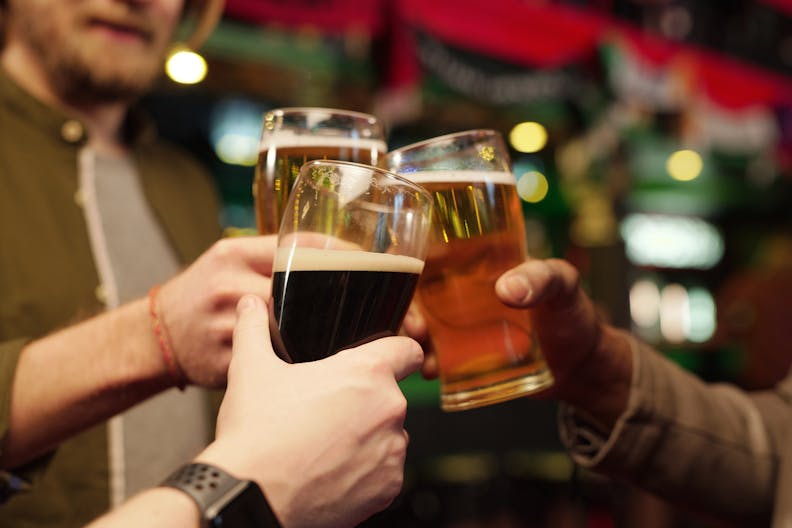
If you were hoping the Autumn Budget might make your Friday night pint a little cheaper, there's good news and slightly less good news. The Chancellor has announced extra support for pubs and smaller breweries, but alcohol duty is going up too. Whether there's something to celebrate might depend on which side of the bar you're standing.
Chancellor John Healey has confirmed that alcohol duty will increase from February 2027, with estimates suggesting the tax on a typical pint of beer could rise by around 2p. Meanwhile, qualifying pubs in England will receive a 35% business rates discount from April, and thousands of smaller hospitality businesses could stop paying business rates altogether.
But before you start calculating how much extra your next round will cost, it's worth understanding the difference between what the Government charges in tax and what your local decides to charge you.
Here's what the Autumn Budget means for beer prices, wine, spirits and the future of your local pub.
How much will a pint of beer go up by after Budget 2026?
The Chancellor has confirmed that alcohol duty will increase in line with Retail Prices Index (RPI) inflation from 1 February 2027.
Ahead of the Budget, estimates suggested this could add approximately 2p in duty to a typical pint of beer.
But here's the important bit: an extra 2p in alcohol duty doesn't necessarily mean your pint will cost 2p more.
Alcohol duty is a tax paid by alcohol producers or importers, rather than a charge added separately to your bill at the bar.
Pubs decide their own selling prices, taking into account the cost of buying the beer, paying staff, heating the building and keeping the business running.
Some pubs might absorb the increase, while others may adjust their prices to reflect the additional duty and other running costs.
So if your usual pint costs £5, it isn't automatically becoming £5.02. And unfortunately, there's no guarantee it won't become £5.20 either.
Will beer really cost 2p more per pint?
The estimated 2p increase is a useful way of understanding the scale of the duty change, but the actual amount depends on the beer's strength and how it's sold.
The Treasury has confirmed that the main alcohol duty rate for qualifying beer between 3.5% and 8.4% alcohol by volume will rise from £22.58 to £23.61 per litre of pure alcohol.
There are different rates for qualifying draught products, including beer served from larger containers in pubs, so not every pint will attract the same duty.
The increase in duty is also only one part of the final price.
For customers, the biggest difference may come from how individual pubs respond to their wider operating costs, rather than the duty increase alone.
Alcohol duty increase 2027: When does it start and which drinks are affected?
The new alcohol duty rates will take effect on 1 February 2027, with duty increasing in line with RPI inflation.
Alcohol duty is generally calculated according to the type and alcoholic strength of a drink, meaning stronger products can attract more duty.
The changes affect more than just beer, with wine, cider and spirits also covered by the increase.
How much extra duty will you pay on wine and spirits?
Ahead of the Budget, national newspapers estimated that the inflation-linked increase could mean:
Beer: Around 2p more duty on a typical pint.
Wine: Approximately 10p to 12p more duty on a bottle.
Gin: Around 35p more duty on a standard 70cl bottle at 37.5% strength.
These are estimates of additional alcohol duty, not confirmed increases in the prices you'll pay in shops, supermarkets or pubs.
The actual amount will depend on the alcohol content, the duty category and whether retailers decide to pass on the additional costs.
And if you're already thinking about stocking up before February, remember that buying three extra bottles of something you weren't planning to drink isn't necessarily a saving just because the tax might increase by a few pence.
Pub business rates relief 2027: What help are pubs getting?
While alcohol duty is increasing, the Government has also announced more support for pubs through changes to business rates.
Business rates are a tax on non-domestic properties, including pubs, shops, restaurants and cafés.
From 1 April 2027, qualifying pubs, social clubs and most live music venues in England will receive a 35% reduction in their business rates bills, increasing the support from the existing 15% relief.
According to the Treasury, the combined relief will be worth an average of more than £3,000 per pub in 2027–28.
This could help ease some of the financial pressure facing local pubs, particularly those dealing with higher staffing, energy and supplier costs.
Which pubs could stop paying business rates altogether?
The Budget also increases Small Business Rate Relief thresholds for qualifying retail, hospitality and leisure properties in England.
From April 2027, the rateable-value threshold for 100% relief will increase from £12,000 to £18,000, while the upper threshold for tapered relief rises from £15,000 to £21,000.
Rateable value is broadly based on a property's estimated annual rental value. It isn't the same as the amount of money a pub makes.
The Treasury estimates that approximately 3,500 additional pubs could become eligible to pay no business rates as a result of the changes.
Eligibility depends on the business and property meeting the relevant relief conditions, so it won't mean every pub below the new threshold automatically qualifies.
For smaller independent pubs, though, reducing a fixed business expense could provide some welcome breathing space.
Will lower business rates mean cheaper pints?
Not automatically, and this is where the two sides of the Budget meet.
A landlord might face higher alcohol duty and increased wage costs while also benefiting from lower business rates.
The relief could help them avoid increasing prices, employ more staff or simply keep the business going.
But there isn't a requirement for pubs to pass those savings directly to customers.
For drinkers, this means the Budget could help protect their local pub without necessarily reducing the price of a pint.
And while cheaper drinks would certainly be welcomed by plenty of customers, there is also something to be said for making sure the pub is still there next Friday.
Budget 2026: What support is available for small breweries?
There's another announcement that could matter to anyone who enjoys trying something a little different from their usual pint.
The Government has confirmed an additional £10 million a year in support for smaller alcohol producers through changes to Small Producer Relief.
The Treasury says more than 2,000 small producers across the UK could benefit.
Small Producer Relief reduces alcohol duty for qualifying smaller businesses, with the Budget making the arrangements more generous.
The changes include greater support for products below 3.5% alcohol by volume and an increase in relief for qualifying products between 3.5% and 8.4%.
These changes are due to take effect from 1 February 2027.
Could independent breweries offer more choice in pubs?
Potentially, and not just because of the duty relief.
The Government also intends to introduce a new guest beer provision under the Pubs Code in England and Wales.
This is designed to give certain tied pub tenants more flexibility over the beers they can stock.
A tied pub is generally one that has an agreement requiring it to buy some or all of its beer through a particular pub company.
The proposed change could give smaller independent breweries more opportunities to sell their products through pubs that might otherwise have limited choice.
For customers, that could eventually mean more local and independent beers appearing behind the bar.
It doesn't guarantee cheaper craft beer, and the final rules still need to be introduced, but greater choice could be an interesting development for smaller breweries and the people who enjoy their products.
Will supermarket beer, wine and spirits cost more in 2027?
Alcohol duty increases can affect drinks sold in supermarkets as well as pubs, although the impact depends on the product and how retailers respond.
Supermarkets frequently run promotions and compete heavily on price, meaning the cost of a bottle or multipack may change for reasons that have little to do with the Budget.
If you're trying to keep the cost of a get-together down, the best approach is still to compare the actual price you're paying rather than assume a big discount label means you're getting the best deal.
Checking the price per litre can be particularly useful when comparing bottles, cans and multipacks.
It's also worth watching for changes to pack sizes and alcohol strength, because products that look similar aren't always directly comparable.
And while pubs and supermarkets may sell some of the same drinks, the price difference reflects more than alcohol duty. You're also paying for the service, venue and experience when you visit a pub. The Budget hasn't changed that calculation.
What does Budget 2026 mean for pubs and beer drinkers?
The Autumn Budget contains a mixture of changes for the hospitality industry.
Alcohol duty will increase from February 2027, meaning producers and importers will face higher tax rates on many drinks.
At the same time, qualifying pubs in England will benefit from more generous business rates relief, while smaller producers across the UK will receive additional support through the alcohol duty system.
For customers, the important thing to understand is that neither announcement automatically tells you what your next pint will cost.
A pub receiving a business rates reduction doesn't have to lower its drinks prices, just as a rise in alcohol duty doesn't guarantee an identical increase at the bar.
There's also a difference between keeping a pint affordable and keeping a pub financially viable.
The Government's changes may help some pubs manage their expenses, while drinkers will have to see how individual businesses respond when the new measures take effect.
So is there something to raise a glass to? Perhaps, particularly if you're a small brewery or a local pub benefiting from relief. But if you're the one buying the next round, it's worth remembering that the final price still depends on a lot more than the Chancellor's Budget.
< Back to articles