
Bank of England interest rates rise to 4%: What it means for your money


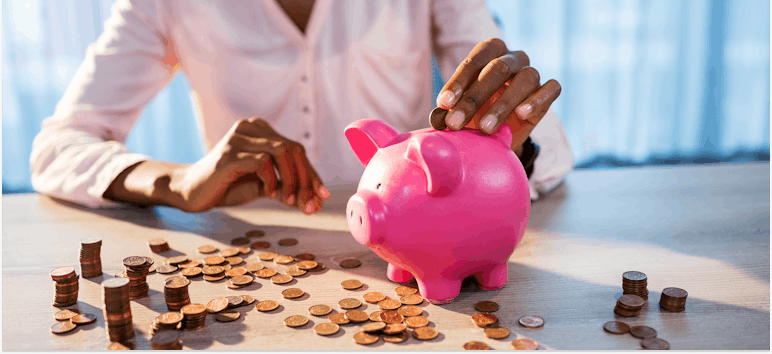
The Bank of England has raised UK interest rates to 4%, potentially making mortgages and other borrowing more expensive. But will your monthly payments actually change? Here's what the decision means for your money and six things worth doing now.
The Bank of England has increased interest rates for the first time in more than three years, delivering another potential squeeze on household budgets.
On Thursday 5 November 2026, the Bank increased its base rate from 3.75% to 4%, following a vote of eight to one by its Monetary Policy Committee.
It's a move designed to help bring inflation under control, with the Bank warning that prices could be rising by around 5% annually by the middle of 2027.
For households already feeling the pressure of higher everyday costs, that's hardly welcome news. But the interest rate increase won't affect everyone in the same way.
Some mortgage borrowers will face higher repayments, while people on fixed-rate deals won't see an immediate change. Savers, meanwhile, could benefit if their banks increase the interest paid on their accounts.
So what does the rise mean for you, and what can you do to make sure your money is in the best possible position?
What is the Bank of England interest rate today?
The Bank of England base rate is now 4%, following a 0.25 percentage point increase on 5 November 2026.
The Bank Rate influences how much banks charge customers to borrow money and how much interest they offer on savings.
When it rises, some mortgages and other borrowing can become more expensive. Savings accounts may also pay more interest, although this isn't guaranteed.
The increase is the first since August 2023, following a lengthy period in which interest rates were either falling or staying the same.
According to the Bank of England's November announcement, eight members of the Monetary Policy Committee supported increasing rates to 4%, while one wanted a larger rise to 4.25%.
You can read the full decision in the Bank of England's official announcement.
How will the interest rate rise affect me?
The biggest impact depends on whether you have a mortgage, owe money on credit cards or loans, or have savings earning interest.
Here's what could happen:
Tracker mortgages: Monthly payments will normally increase if your mortgage follows the Bank Rate.
Fixed-rate mortgages: Your repayments won't change immediately, although you could face higher costs when your deal ends.
Credit cards and overdrafts: Providers may increase variable interest rates, but this won't happen automatically for everyone.
Personal loans: Existing fixed-rate loan repayments should stay the same, although new loans could become more expensive.
Savings: Banks may increase the interest they offer, giving savers an opportunity to earn more on their money.
The important thing is to check which interest rates you're actually paying or receiving, rather than assuming every account will be affected.
Will my mortgage payments go up after the interest rate rise?
If you have a tracker or variable-rate mortgage, your payments could increase following today's announcement.
However, if you're on a fixed-rate mortgage, the interest rate on your existing deal won't change until your fixed period ends.
How much more could a £100,000 or £200,000 mortgage cost?
Let's imagine you have a repayment mortgage with 25 years remaining and your interest rate increases from 5% to 5.25%.
Your approximate monthly repayments would change as follows:
£100,000 mortgage: Around £15 extra a month.
£150,000 mortgage: Around £22 extra a month.
£200,000 mortgage: Around £29 extra a month.
For someone with £200,000 remaining, that's roughly £350 a year in higher repayments.
These examples assume the same outstanding balance and remaining mortgage term, with a full 0.25 percentage point increase passed on to the borrower. Your actual increase will depend on your mortgage agreement.
What should you do if your mortgage is affected?
If you're on a tracker mortgage, check communications from your lender to find out exactly when your rate and monthly payment will change.
If you're on a fixed-rate deal, find out when it expires.
If your mortgage deal ends within six months, start comparing rates now. Some lenders let you arrange a new deal several months in advance, potentially protecting you from further increases.
Don't automatically accept your lender's first renewal offer. Compare the full cost of different mortgages, including arrangement fees, rather than looking only at the headline rate.
And if you're concerned about making payments, contact your lender before falling behind. They may be able to discuss options to make repayments more manageable.
For more detail, read our guide to how rising mortgage rates affect monthly repayments.
Will credit card and overdraft interest rates increase?
Credit card and overdraft providers could increase their interest rates following the Bank of England's decision.
Unlike tracker mortgages, however, most credit cards don't automatically follow the base rate.
This means your provider might increase its rates, leave them unchanged or make adjustments at a later date.
If you're carrying a balance on a credit card, the interest you're charged can make a significant difference to how quickly you pay off what you owe.
What should you do if you're worried about the impact of the interest rate rise on your credit card or overdraft?
First, check the APR on your credit card statement and whether your provider has announced any changes.
If you're paying interest, consider whether you can afford to pay more than the minimum each month. Even a relatively small increase in repayments can help reduce the amount of interest paid over time.
You could also compare 0% balance transfer offers, although you'll need to consider any transfer fees and whether you're eligible.
If you have an overdraft, check the interest rate you're paying and whether you're regularly using it to cover everyday costs.
If you're struggling with debt repayments, speak to your lender about support rather than waiting until you've missed a payment.
Will personal loan repayments go up?
If you already have a fixed-rate personal loan, your agreed monthly repayments normally won't change.
For example, if you took out a loan with a fixed interest rate of 7%, today's Bank of England decision doesn't mean your rate will automatically increase to 7.25%.
However, lenders could increase the rates offered to people taking out new loans.
This could make borrowing for a car, home improvements or other major purchases more expensive.
What should you do?
If you're thinking about borrowing, compare the total amount you'll repay, not just the monthly cost.
A longer loan term might make repayments look more affordable, but it can also mean paying considerably more interest overall.
And if you're borrowing to cover regular living expenses, it's worth reviewing your wider finances before taking on another monthly commitment.
Will savings interest rates go up?
Potentially, and this is where higher interest rates could work in your favour.
Banks and building societies may increase the interest offered on savings accounts following a base rate rise, although they don't have to pass on the full increase.
For example, if you had £5,000 in savings and your annual interest rate increased from 3.5% to 3.75%, you'd earn approximately £12.50 more over a year before tax, assuming a constant balance and simple interest.
That's welcome, but there's another comparison worth making.
If your £5,000 was sitting in an account paying 1% interest, moving it to an account paying 4% could increase your annual interest from approximately £50 to £200.
That's a difference of £150 a year, before tax, assuming the balance remains unchanged.
These are illustrative rates rather than current product recommendations, but they demonstrate why comparing savings accounts can be much more valuable than simply waiting for your bank to respond to a base rate change.
What should you do with your savings now?
Check how much interest your current savings account is paying.
If your rate is no longer competitive, compare alternatives, paying particular attention to whether the interest rate is fixed or variable.
For emergency savings, easy access is important. You don't want to lock away money you might need unexpectedly simply to earn a little more interest.
It's also worth considering whether a Cash ISA could be suitable for some of your savings, particularly if you're likely to exceed your tax-free savings interest allowance.
Remember that higher savings rates don't automatically mean your money is keeping pace with inflation. If prices rise faster than your savings grow, your money could still lose purchasing power over time.
Six things to do with your money after the interest rate rise
You can't control the Bank of England's decisions, but there are practical steps you can take to reduce the impact on your household finances.
1. Check which of your borrowing rates can change
Start by looking at your mortgage, loans, credit cards and overdrafts.
Find out which have fixed rates and which are variable.
This will help you identify the payments that could become more expensive rather than worrying unnecessarily about everything you owe.
2. Review your mortgage before your deal expires
If your fixed-rate mortgage ends within the next six months, start researching your options.
You may be able to arrange a replacement deal in advance.
Check the interest rate, product fees and monthly repayments, and compare different offers before committing.
3. Look at the interest you're paying on debts
Review your credit card balances and overdraft use.
If you're paying high rates of interest, consider whether you can reduce those balances more quickly or whether a cheaper borrowing option is available.
Make sure you keep up with priority commitments, including your rent or mortgage, Council Tax and essential bills.
4. Check whether your savings could earn more
Find out the interest rate on your existing savings account and compare it with alternatives.
If you've had the same account for years, you might find that the rate is much lower than what's available elsewhere.
Keep an emergency fund accessible rather than moving everything into an account with withdrawal restrictions.
5. Build potential increases into your monthly budget
If you expect your mortgage or other borrowing to become more expensive, work out how much extra you'll need each month.
For example, if your repayments could rise by £30, consider setting aside that amount now if you can afford to.
It gives you a chance to adjust your spending before the new payment arrives.
And with inflation forecast to rise, it's worth leaving some breathing space for everyday costs rather than committing every spare pound to new spending.
6. Ask for help before you miss a payment
If your mortgage, credit card or other repayments are becoming difficult to manage, don't wait until you're behind to speak to your lender.
They may be able to offer support depending on your circumstances.
If you're struggling with several debts or finding it difficult to cover essential costs, free debt advice is available through Money Wellness.
Getting advice early can give you more options than waiting until missed payments start to build up.
Why has the Bank of England raised interest rates?
The main reason is inflation.
Inflation measures how quickly prices are rising. When it's high, the same amount of money buys less than it did before.
The Bank of England aims to keep inflation at 2%, but the UK's annual inflation rate reached 3.5% in September 2026.
Now the Bank expects inflation to rise to around 5% by the middle of 2027.
Higher global energy prices have contributed to that outlook, with concerns that increased costs could eventually feed through into other goods and services.
Increasing interest rates is intended to reduce spending and borrowing across the economy, helping bring inflation down over time.
However, the effects aren't immediate.
Higher rates won't suddenly make your weekly food shop cheaper, and a slowdown in inflation doesn't necessarily mean prices are falling. It usually means they're increasing more slowly.
For households, that creates a difficult balance. Borrowing can become more expensive at the same time as everyday living costs are increasing.
Will UK interest rates rise again in December 2026?
The Bank of England hasn't confirmed whether interest rates will increase again.
Its next decision is scheduled for 17 December 2026.
Although some economists expect further increases, future decisions will depend on inflation, economic growth and how higher costs affect the wider economy.
The Bank has made clear that interest rates aren't following a predetermined path.
That means anyone with a mortgage or other borrowing should avoid assuming rates will definitely rise or fall over the coming months.
If you're making a major financial decision, it's more useful to consider whether you could still afford the repayments if rates changed.
What does the interest rate rise mean for your household budget?
For some households, today's announcement will mean higher monthly repayments. Others won't see an immediate change, while savers may have an opportunity to earn more interest.
But with inflation expected to accelerate next year, the wider challenge is making sure your money continues to cover everything you need it to.
The most useful thing you can do today is check where your finances are exposed to changing interest rates.
Find out what you're paying on borrowing, what you're earning on savings and whether any upcoming changes could put pressure on your monthly budget.
You might not be able to prevent prices or interest rates from increasing, but knowing what's coming gives you a better chance of preparing for it.
< Back to articles