
Black Friday scams 2026: How to spot fake deals on Facebook Marketplace and social media


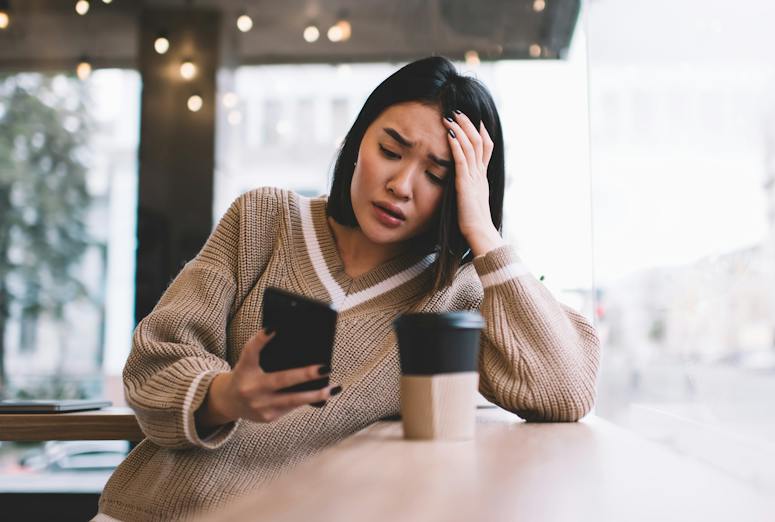
Almost half of young adults surveyed say they've fallen victim to an online shopping scam, according to new research released ahead of Black Friday. With shoppers increasingly turning to social media and second-hand marketplaces for bargains, here's how to spot a fake deal before it costs you more than you bargained for.
Black Friday is meant to be about getting more for your money. But for thousands of shoppers, the biggest saving of the year could turn out to be a very expensive mistake.
New research published by TSB on 4 November 2026 found that 33% of UK adults surveyed had experienced purchase fraud on social media or second-hand selling platforms, rising to 49% among people aged 25 to 34.
The bank's own customers lost £2.3 million to purchase scams between January and September 2026, with an average loss of £540 per affected customer.
And with 42% of people surveyed saying they'll rely more heavily on discounts because of the cost of living, there's a real risk that criminals will take advantage of shoppers trying to make their Christmas budgets stretch.
Black Friday is practically designed to make us panic-buy. Between countdown clocks, limited-stock warnings and deals that supposedly disappear at midnight, there's a real pressure to make decisions quickly rather than risk missing out. And that's exactly the environment scammers thrive in. When you're juggling Christmas lists, trying to stretch your money further and worrying that someone else might snap up a bargain, it's much easier to overlook the warning signs you'd normally spot a mile off. Being caught out doesn't necessarily mean someone was careless. Sometimes it means a scammer was very good at exploiting the urgency retailers have spent weeks creating.
So what are the warning signs, which platforms are scammers using, and can you get your money back if you've already paid?
How common are Black Friday shopping scams in 2026?
Online purchase scams are a significant problem, particularly when shoppers are looking for deals on expensive products or buying from people they don't know.
According to TSB's latest purchase fraud research:
33% of adults surveyed said they'd fallen victim to purchase fraud on social media or second-hand platforms.
49% of 25 to 34-year-olds reported having been caught out.
44% of 18 to 24-year-olds said they'd experienced a purchase scam.
41% weren't confident they could tell AI-generated images from genuine photographs.
42% planned to rely more heavily on shopping discounts due to the cost of living.
These figures come from a survey of 2,000 UK adults conducted in October 2026. They describe people's reported experiences, rather than the proportion of Black Friday purchases that are fraudulent.
Meanwhile, TSB's own customer records show that purchase scams accounted for 45% of its bank transfer fraud losses between January and September 2026.
For anyone trying to stretch their Christmas spending money, losing hundreds of pounds to a fraudulent seller could have serious consequences.
Which social media platforms are being used for shopping scams?
TSB found that Facebook was associated with 65% of its recorded purchase scam cases where the platform was known.
TikTok accounted for 14%, followed by Snapchat at 7% and Instagram at 6%.
That doesn't mean the majority of sellers on these platforms are fraudulent, or that shopping through social media automatically puts you at risk.
However, the figures highlight why it's important to check who you're buying from, particularly when dealing with private sellers.
Scammers can create convincing profiles, copy genuine product photographs and advertise items that don't actually exist.
And during Black Friday, when people are already expecting unusually large discounts, a suspiciously cheap listing can look much more believable.
How to spot a fake Facebook Marketplace listing
Facebook Marketplace and other second-hand selling platforms can be brilliant places to find affordable furniture, clothes, toys and electronics.
But there are a few warning signs worth looking out for before handing over your money.
1. The seller wants you to pay outside the platform
Be cautious if someone asks you to move the conversation to WhatsApp or another messaging service, or insists on being paid by bank transfer rather than through a payment method offering buyer protection.
Paying directly into someone's bank account can make recovering your money more complicated if the product never arrives.
Where a platform offers an eligible checkout service with buyer protection, use it and check exactly what that protection covers.
2. The price is suspiciously low
A games console that's dramatically cheaper than every other listing might be a genuine bargain, but it's also worth asking why someone would sell it for so little.
Compare similar products before paying and don't let the fear of missing out rush your decision.
A £300 item advertised for £80 isn't an £220 saving if the product never turns up.
3. The seller's profile doesn't add up
Check how long the account has existed, whether the profile has a credible selling history and whether other buyers have left reviews.
A new account isn't proof of fraud, and an established account isn't a guarantee of safety. Scammers can also take control of genuine accounts.
If anything feels inconsistent, ask more questions before paying.
4. You're being pressured to pay immediately
Messages like "I've got five other buyers waiting" or "send the deposit now or I'll sell it" are designed to create urgency.
A genuine seller may want to complete a sale quickly, but you should still have enough time to check the details and agree on a safe payment method.
If a seller won't allow that, you can walk away.
Can scammers use AI-generated photos to sell fake products?
Yes. Modern image-generation tools can create realistic photographs of products, bedrooms, living rooms and other settings that make a fraudulent listing appear genuine.
But it's worth remembering that you can't reliably identify every AI-generated image just by looking for strange hands, unusual shadows or other visual mistakes.
And even a genuine photograph doesn't prove that the seller actually owns the item.
If you're buying something expensive from a private seller, consider asking for an additional photograph showing the item from a different angle, alongside a handwritten note with the date or another detail you've requested.
This isn't foolproof, as images can be manipulated, but it can provide another opportunity to check the listing.
You can also search for the product photographs online to see whether they've been copied from another seller or retailer.
The safest approach is to combine several checks rather than relying on one photograph.
What are the most common items used in online purchase scams?
TSB's internal customer data shows that some of the largest losses are associated with relatively expensive purchases.
The average reported losses included:
Vehicles: £1,541.
Holidays and flights: £1,209.
Computer and gaming products: £366.
Mobile phones: £354.
Pets and accessories: £285.
Tickets: £190.
Clothing: £175.
These are average losses among affected TSB customers, not typical prices for the products themselves.
The research is a reminder that scams aren't limited to luxury items. Clothing, shoes, furniture and smaller purchases can also be used to trick buyers.
How can you protect yourself from Black Friday shopping scams?
There are a few checks worth making before buying from a seller or website you haven't used before.
Check the seller independently
Look for genuine reviews, an established business presence and contact details that can be verified outside the advert.
Don't rely entirely on reviews displayed on the seller's own website, as these can be fabricated.
Use safer payment methods
Where available, use protected marketplace checkout options or payment methods with appropriate consumer protections.
If a seller insists you send money to an unrelated person's account or pay through an unfamiliar service, treat that as a warning sign.
Check the full website address
Fraudsters can copy the logos, photographs and layout of established retailers.
If you're following an advert, check that the web address belongs to the genuine company.
You can also visit the retailer's website directly rather than clicking through from a social media promotion.
Don't trust a deal just because it's advertised
Paid advertisements aren't guarantees that the businesses behind them are legitimate.
The same applies to posts shared by friends or accounts you follow, particularly if those accounts have been compromised.
Give yourself permission to miss a bargain
One of the most effective ways to avoid a bad decision is to remove the urgency.
If a seller is making you feel that you must act immediately, it's worth considering whether the deal is genuinely worth the risk.
We've also put together a guide to checking whether Black Friday discounts are actually worth it, so you can compare prices before spending.
Can you get your money back after an online shopping scam?
Possibly. Your options depend on how you paid, what happened and whether the transaction meets the rules for reimbursement.
If you paid by bank transfer
Contact your bank immediately and explain that you believe you've been the victim of a scam.
Mandatory reimbursement rules cover many qualifying authorised push payment scams involving transfers between UK accounts, subject to conditions and exclusions.
For qualifying cases, reimbursement can be available up to £85,000, although an excess of up to £100 may apply in some circumstances.
Not every purchase dispute qualifies as fraud, and the rules don't guarantee that every bank transfer will be refunded.
If you paid by debit card
Ask your card provider whether it can attempt a chargeback.
Chargeback is a process through which card providers may be able to recover money when goods don't arrive or a transaction goes wrong.
It's not a legal guarantee, and time limits and evidence requirements apply.
If you paid by credit card
Section 75 of the Consumer Credit Act may offer additional protection for qualifying purchases costing more than £100 and no more than £30,000.
However, eligibility depends on the payment arrangement and whether the legal conditions are met. Not every marketplace transaction will qualify.
If you paid through a marketplace
Check whether the platform offers buyer protection and report the seller through its official complaints process.
Keep screenshots of the listing, your messages, payment confirmation and any promises about delivery.
How to report a Facebook Marketplace or online shopping scam
If you think you've been scammed, act quickly.
Contact your bank or payment provider and ask what can be done to protect your account and recover the money.
Report the suspicious account or listing to the platform.
Save screenshots of the listing, messages and transaction details.
Report the incident through Report Fraud if you're in England, Wales or Northern Ireland, or contact Police Scotland if you're in Scotland.
If you're unhappy with how your bank handles your complaint, you may be able to take it to the Financial Ombudsman Service.
Be careful of anyone contacting you afterwards claiming they can recover your money for a fee. This can be another scam.
< Back to articles