
Energy bills are rising 13% in July: what the new price cap means and what to do now


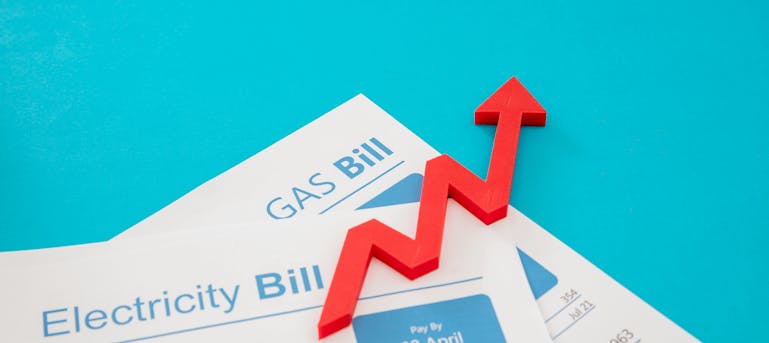
Ofgem confirmed today that the energy price cap will rise by 13% from 1 July 2026, adding around £18 a month to the typical household bill for anyone on a standard variable tariff paying by direct debit for both gas and electricity. The increase is being driven by surging wholesale energy prices caused by the ongoing conflict in Iran, which has pushed global gas costs sharply higher over recent months.
If you are one of the 19 million households on a standard variable tariff, your bills will go up from 1 July unless you are on a fixed deal. This is what the rise means in practice, what you can do to reduce what you use, and how to check whether switching to a fixed tariff makes sense for you right now.
What the price cap actually means
The price cap is not a limit on your total bill. It is a limit on the unit rate your supplier can charge for each kilowatt hour of gas and electricity you use, and on your daily standing charge. If you use more energy than average, you will pay more than the headline figure. If you use less, you will pay less.
If you are on a fixed tariff, your rate will not change until the end of your contract regardless of what Ofgem announces on Wednesday.
Small changes at home that add up on your bill
These are not about going cold, they are about using energy more efficiently, which makes a real difference to the bill without making your home uncomfortable.
Your heating is where most of the money goes
Turning your thermostat down by just one degree Celsius could reduce your annual heating costs by around 10%, which on a typical gas usage of 11,500kWh works out to roughly £80 a year at current rates. Setting it to between 18 and 21 degrees and using a timer so the heating only runs when the house is occupied is one of the most effective single changes you can make.
Lowering the boiler flow temperature to around 60 degrees if you have a combi boiler makes it run more efficiently without any noticeable difference to how warm the house gets. Bleeding radiators regularly also helps, as trapped air stops hot water circulating properly and forces the boiler to work harder.
Turn radiators down in rooms you are not using, but avoid switching them off completely in cold weather as that can lead to damp and mould.
Heat you are paying for is leaving through your walls, windows and doors
Up to 25% of a home's heat can escape through an uninsulated roof and up to 35% through uninsulated cavity walls, but you do not need to undertake major work to make a difference. Draught-proofing windows, doors, letterboxes and keyholes is cheap and effective and can save around £80 a year on its own, and draught excluders under doors along with strip insulation around window frames cost a few pounds from any DIY store and take minutes to fit.
Radiator reflector panels fitted behind radiators on external walls push heat back into the room rather than letting it escape through the wall, and thick curtains drawn at dusk do the same job for windows. If you are not in a position to do anything structural, furnishings like heavier curtains and rugs make a genuine difference to how warm a room feels and how hard the heating has to work to maintain that.
The habits that sneakily add to your bill every month
Leaving appliances on standby rather than switching them off at the wall wastes up to £45 a year for a typical household, swapping one bath a week for a four-minute shower saves around £10 a year on water heating costs as well as saving water. There are even playlists of 4 minute songs to help you keep to time - if you're getting ready for the World Cup, one of the songs is 'Three Lions'
Washing clothes at 30 degrees rather than 40 uses around 40% less energy per wash. None of these feel like significant changes in the moment, but they add up quickly when they become habits rather than occasional efforts.
If you do not have a smart meter yet, it could be worth getting one
Your energy supplier will install a smart meter at no cost to you. It shows you in near real time how much energy you are using and what it is costing, which makes it considerably easier to spot which appliances are pushing up your bill and to adjust your habits with actual numbers rather than guesswork. Contact your supplier to arrange installation, and once it is in place you can also access time-of-use tariffs that charge less for energy used outside peak hours, which suits households that can shift things like dishwasher or washing machine cycles to later in the evening.
You may be able to get insulation work done at no cost
If your home is poorly insulated, the ECO4 scheme may be able to cover the cost of improvements including loft insulation, cavity wall insulation and heating upgrades. ECO4 remains open and eligibility is based on income and the energy efficiency rating of your home. You can contact your energy supplier directly to ask whether you qualify, or use the gov.uk energy grants calculator to see what support might be available.
Upgrading loft insulation to current standards of 27 to 30cm depth can make a significant difference to heat retention and long-term bills, and the Energy Saving Trust runs a free advice line on 0800 098 7950 where advisers can tell you what improvements would make the biggest difference in your specific home.
How to check you are not overpaying right now
Fixed tariffs are currently priced close to the existing cap, which means that if the announcement confirms a rise in line with analyst forecasts, some fixed deals available today would come in below the new variable rate from July. That is not guaranteed, but it is worth comparing before the announcement rather than after, when deals tend to reprice quickly once the new cap is confirmed.
Before you compare, it helps to have a few things to hand from your latest energy bill: your annual usage in kilowatt hours for gas and electricity, your current tariff name and end date if you are on a fix, how you pay, and your postcode, since energy prices vary by region and the cheapest deal nationally may not be the cheapest for your area.
Use one of Ofgem's accredited comparison services at ofgem.gov.uk/check-if-energy-switching-service-meets-our-standards to check the whole market rather than going directly to your current supplier, who may not offer the most competitive deal available to you.
Help with energy bills if you are struggling to pay
You do not have to wait until you fall behind before asking for help, and getting in touch with your supplier early means more options are available to you. Many suppliers have hardship funds and payment plan arrangements that are not widely advertised, and they are legally required to offer a manageable repayment arrangement if you are in debt to them.
Support you may be entitled to
The Warm Home Discount is worth £150 and is credited directly to eligible households’ energy accounts each winter. Eligibility is based on income and benefit status, and many people who qualify have never claimed it. Check whether you are eligible at gov.uk/the-warm-home-discount-scheme. The ECO4 scheme covers insulation and efficiency improvements for eligible homes. Citizens Advice (0800 144 8848) and the National Energy Action helpline (0800 304 7159) can both provide free guidance on what local support is available.
< Back to articles