
Energy price cap rise: Why you need to submit a meter reading before 1 October


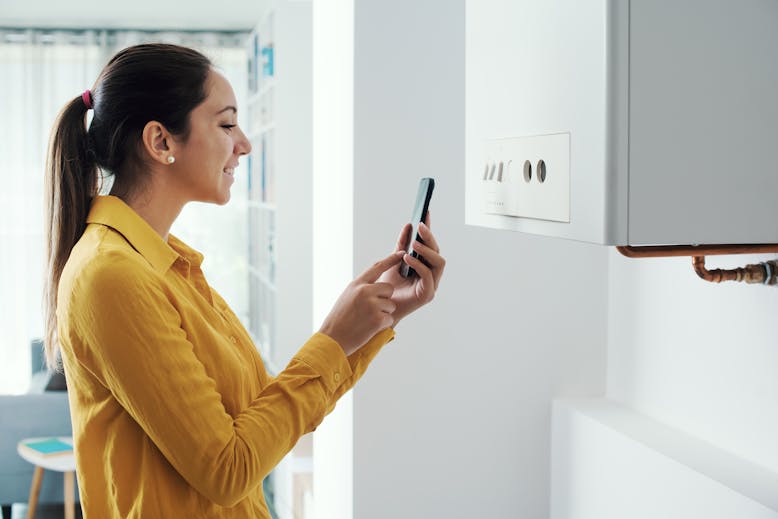
Households should put one task high on their to-do list over the next couple of days to avoid higher energy bills when the Ofgem energy price cap changes Thursday.
Submitting an up-to-date reading before 1 October helps guarantee that you're only charged higher rates for energy used after the new cap takes effect.
It comes as the price cap increases by 4%, raising bills for people just as colder weather sets in.
Energy bills to rise by £60 a year
The energy cap is the maximum energy rates that can be paid by homes on standard tariffs as laid out by industry watchdog Ofgem.
The new cap in October is increasing to £1,723 for a typical household that uses electricity and gas and pays by direct debit, up from £1,663.
Wholesale costs are used to set the cap, which have been surging as a result of higher oil prices pushed up by war in the Middle East.
Falling temperatures mean more homes will be switching on the heating which pushes up the cost of energy bills over the winter months.
Why taking a meter reading matters
No one wants to pay for energy than needed, so to avoid paying for energy used before the 1 October at the higher rate, households should submit a reading on or as close to 30 September as possible.
If you don't submit reading, your supplier could estimate your usage and apply the wrong rate to part of your bill.
If you have a smart meter, readings should usually be sent automatically.
But it's still worth checking that your supplier has received up-to-date information and that your account is accurate.
How can you tackle rising energy bills?
As prices increase, now is a good time to review your current tariff, compare rates and check whether switching could save money.
You can use a comparison site to see if you could save on bills by switching.
Check how long you will be tied into a new contract and if there are any exit fees.
We've also compiled a list of easy and cheap ways to cut your heating bills.
Will the VAT cut make energy bills cheaper?
There is some relief for households, as the government is removing VAT from domestic electricity bills from 1 October.
VAT on electricity is currently charged at 5%, but this will fall to 0% from October.
The move is estimated to save around £45 a year.
Without the VAT cut, the October cap could have been even higher.
The government has said suppliers are expected to pass the VAT reduction on to customers, including people on fixed tariffs.
What to do if you can't pay energy bills
If you're worried about rising energy bills and keeping up with payments, contact your supplier as soon as possible.
Energy companies must give support to customers experiencing financial difficulties and may be able to offer:
Affordable payment plans
Temporary payment arrangements
Access to hardship support schemes
Energy efficiency advice
Seeking help early can also stop debt problems from escalating.

< Back to articles