
Hidden delivery fees: Are online shops allowed to charge extra at checkout?


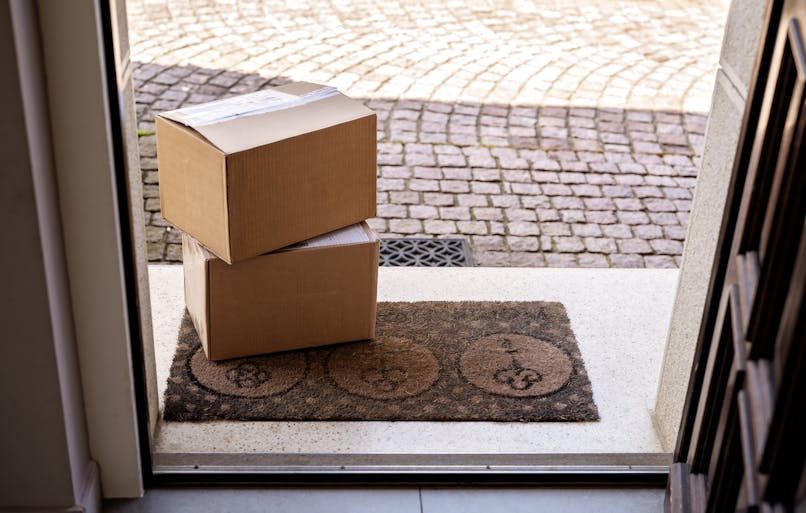
Hidden delivery fees could be costing online shoppers more than they bargained for, and the UK's competition watchdog has warned retailers to stop adding unavoidable charges at checkout.
The Competition and Markets Authority (CMA) issued a warning on 2 November 2026, ahead of Black Friday and Christmas shopping, telling online shops that mandatory delivery fees must be included in the total price customers see.
That means if you spot a Christmas present advertised for £20 but have no choice but to pay another £5 for delivery, the retailer should normally make the £25 total clear from the outset.
The CMA says some online retailers are still failing to follow the rules, despite the law already being in force. It has warned that businesses continuing to hide compulsory charges could face enforcement action.
So, are hidden delivery fees illegal, when can shops charge you extra, and what can you do if the price suddenly increases at checkout?
Are hidden delivery fees illegal in the UK?
Yes. Hiding unavoidable delivery fees from the price displayed to shoppers can break UK consumer protection law.
Under the Digital Markets, Competition and Consumers Act 2024, retailers must clearly display the total price of a product, including compulsory delivery charges and other unavoidable fees.
The rules have been in force since April 2025, but the CMA has issued a fresh warning because some retailers are still not complying.
The law means:
Mandatory delivery charges must be included in the total price shoppers are shown.
Retailers must not hide unavoidable fees until the final stages of checkout.
Optional delivery costs, such as next-day delivery, must be clearly explained.
Online marketplaces and comparison websites must also follow the relevant pricing transparency rules.
Importantly, charging for delivery isn't illegal. Hiding a charge that customers can't avoid is the problem.
Do online shops have to include delivery charges in the advertised price?
If delivery is compulsory, the cheapest mandatory delivery option must normally be included in the total price.
For example, imagine you're buying a toy for Christmas.
One retailer advertises it at £19.99, but adds a compulsory £4.99 delivery charge when you reach checkout.
That means the actual cost is £24.98, and the retailer should normally have displayed that total clearly from the beginning.
Another shop might advertise the same toy for £22.99 with free delivery. Although the second retailer initially looks more expensive, you'd actually save £1.99 by shopping there.
The CMA says shoppers should be able to compare the real cost of products without having to work their way through the checkout first.
What if delivery costs vary by postcode?
Sometimes delivery charges depend on where you live, particularly for large items or deliveries to more remote locations.
If a retailer can't reasonably calculate the exact delivery cost yet, it must explain that a charge applies and provide enough information for customers to calculate the total themselves.
Once the retailer has the information needed, such as your delivery postcode, the relevant mandatory charge must be included in the total.
Can retailers charge delivery fees at checkout?
Retailers can charge for delivery, but they must follow the rules about when and how those charges are displayed.
For example, additional charges may be allowed for:
Optional next-day or nominated-day delivery.
Premium delivery services you actively choose.
Delivery instead of a genuinely available free collection option.
These charges must still be explained clearly, rather than hidden in small print or tucked away on a separate page.
If you have to pay for delivery or collection regardless of which option you choose, the cheapest compulsory option should normally be included in the total price until you select something more expensive.
And if a retailer offers free delivery when you spend £40, the normal mandatory delivery fee should still be reflected in the price before your basket reaches that threshold.
What is drip pricing in online shopping?
Drip pricing is when a business advertises one price and gradually reveals additional charges as you move through the purchasing process.
You might spot a product for £15, add it to your basket and discover extra charges that take the final price above £20.
The problem is that once you've found an item, chosen your preferred option and entered your details, you might be less inclined to abandon the purchase.
Drip pricing isn't limited to delivery fees. It can also involve compulsory booking fees, administration charges and other unavoidable costs.
The CMA has already taken action against four businesses for misleading drip pricing, imposing fines totalling more than £5.1 million and securing over £1.35 million in refunds for customers.
In its latest warning, the regulator says it will continue monitoring online pricing and could take further action where retailers fail to comply.
What should you do if an online shop adds hidden delivery fees?
If a delivery charge appears unexpectedly at checkout, it's worth checking whether the retailer has made the full price clear.
1. Check whether the delivery fee is unavoidable
Look for free collection or standard delivery options. If there's no way to buy the product without paying an additional charge, that fee will generally need to be included in the displayed total.
2. Take screenshots of the advertised price
Keep evidence of the original listing, the shopping basket and the final checkout price.
This can be useful if you want to raise a complaint.
3. Contact the retailer
Ask why the delivery fee wasn't included in the price originally displayed.
If you've already paid, you can ask for a refund of the unexpected charge, although whether you're entitled to one will depend on the circumstances.
4. Report misleading pricing
You can contact the Citizens Advice consumer service in England and Wales for help with a consumer complaint.
Citizens Advice can also pass information to Trading Standards where appropriate. In Scotland, contact Advice Direct Scotland.
You can also raise concerns about misleading advertising with the Advertising Standards Authority.
How to avoid hidden delivery charges this Black Friday and Christmas
With Black Friday on 27 November 2026 and Christmas shopping picking up, comparing the final price matters more than ever.
A few checks can help you avoid paying more than you intended.
Compare prices including delivery. A heavily discounted product isn't necessarily cheaper if another retailer has a lower total price.
Watch out for minimum-spend offers. Spending an extra £15 to qualify for free delivery might not make sense if you were only trying to avoid a £4 delivery charge.
Check whether click and collect is free. It could be cheaper than delivery if you're already visiting the retailer, but remember to consider any extra travel costs.
Don't rush because of countdown timers. Limited-time offers can make an ordinary price seem more appealing. Check the total before committing.
Be careful with marketplace sellers. Different sellers may charge different delivery fees for identical products, making it particularly important to compare the full cost.
Do hidden delivery fee rules apply to Amazon, eBay and other marketplaces?
Yes. The relevant price transparency rules apply to online marketplaces as well as individual retailers.
If a marketplace lists products from several sellers, with different mandatory delivery charges, those costs should be reflected in the total prices shown.
The rules also extend to price comparison websites and search engines displaying retailers' prices.
This doesn't mean the CMA has accused Amazon, eBay or any other named marketplace of breaking the law. The latest warning is directed at the online retail sector more broadly.
< Back to articles