
Inflation rises to 3.3% - why prices are going up again and what it means for your bills


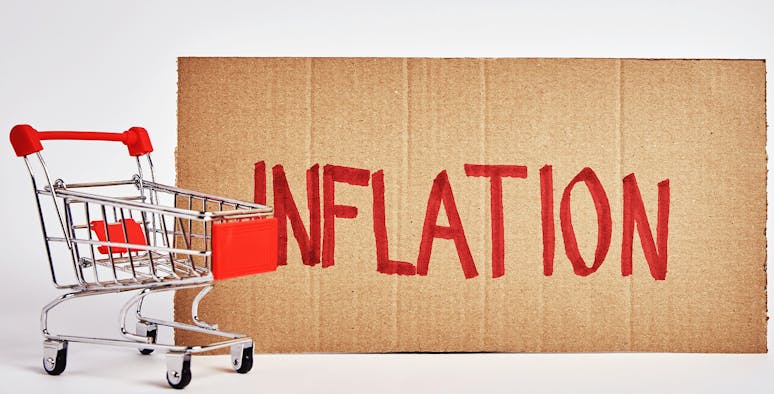
The latest UK inflation figures show prices rose by 3.3% in March, up from 3% in February, marking the first noticeable increase in several months. The jump was largely driven by higher fuel costs after disruption to global energy supplies linked to the conflict in the Middle East, with air fares and food prices also contributing.
While the increase may look modest on paper, it matters because fuel is one of the fastest-moving costs in the economy. When petrol and diesel prices rise quickly, the effects tend to ripple outward, pushing up transport costs for businesses and, eventually, the price of everyday goods who rely on the transport to deliver to the businesses. Each touchpoint sees a hike.
For households already stretching every pound, particularly those on lower incomes, even small changes in inflation can feel significant. When your budget has very little slack in it, a few pounds more on fuel, food, or travel is not an inconvenience - it can mean cutting back somewhere else.
Why inflation has gone up this time
The biggest driver behind the increase was fuel. Motor fuel prices recorded their largest monthly jump in more than three years, following a surge in global energy costs after supply routes in the Middle East were disrupted.
That matters because fuel is built into the cost of almost everything. It powers delivery vans, public transport, farm machinery, and factories. When it becomes more expensive, businesses often have little choice but to pass at least some of those costs on to customers.
Air fares also rose, partly linked to seasonal travel demand around Easter as well, while food prices edged higher again. Some of this is timing-related, but there is a longer-term risk here too. Cost increases earlier in the supply chain can take months to show up on supermarket shelves, meaning the full effect of rising energy prices may not be felt immediately.
Why this hits lower-income households harder
Inflation does not affect everyone equally. Households on lower incomes typically spend a larger share of their money on essentials like food, energy, and transport - the very areas where prices have been rising.
That means they have less flexibility to absorb increases. There is often no subscription to cancel, no holiday fund to pause, and no buffer to fall back on. The margin for error is simply smaller.
Transport is a good example. If fuel prices rise, a higher-income household might absorb the extra cost or reduce discretionary spending elsewhere. For someone on a tight budget who relies on a car to get to work, there may be no alternative. The extra cost comes straight out of money meant for food, heating, or rent.
Food inflation carries a similar risk. Even small increases in the price of staples like meat, dairy, or packaged foods can add up quickly across a week’s shopping. And when prices rise gradually, households often feel the pressure before they can adjust their habits.
Why we shouldn't panic yet
It might help to keep the latest figures in perspective. Inflation remains far below the double-digit rates seen in 2022, when prices were rising at more than 11% a year.
What has changed is the direction of travel. Instead of steadily falling, inflation has ticked upward again, reminding us that the path back to stable prices is unlikely to be smooth.
External shocks, like energy supply disruption or geopolitical conflict, can push inflation higher even when the domestic economy is relatively stable. That is what this latest increase appears to reflect.
What could happen next
Economists and experts are expecting the unexpected - forecasting inflation to remain unpredictable over the coming months.
One area to watch closely is food. Industry groups warn that higher production and transport costs could feed through into supermarket prices later in the year. If that happens, households may feel the impact gradually rather than all at once.
There is also a wider economic effect to consider. When energy and food costs rise, households have less money left for other spending. That can slow economic growth and make job markets more fragile, particularly in sectors that rely on consumer demand.
What you can do now to shield from inflation rises
For many people, especially those on lower incomes, the thing to keep in mind is not that the situation is spiralling out of control, but that pressure is likely to remain uneven.
Costs may not rise everywhere at once, but certain essentials could stay stubbornly high. That makes planning and budgeting more important than ever.
Small adjustments can make a meaningful difference over time, particularly when money is tight.
Some practical steps that can help include:
Checking eligibility for benefits or council support schemes, as many households miss out on assistance they qualify for
Reviewing travel costs, including fuel use, routes, and public transport options where available
Planning food shopping more deliberately, using store brands, frozen options, and bulk cooking where possible
Speaking to utility providers early if payments become difficult, as support is often easier to access before bills fall behind
Building even a small financial buffer where possible, as this can help absorb sudden price changes
None of these steps removes the pressure entirely, but they can reduce the risk of a single cost increase tipping a household into financial difficulty.
< Back to articles