
Online return charges are rising: Can shops make you pay to send things back?


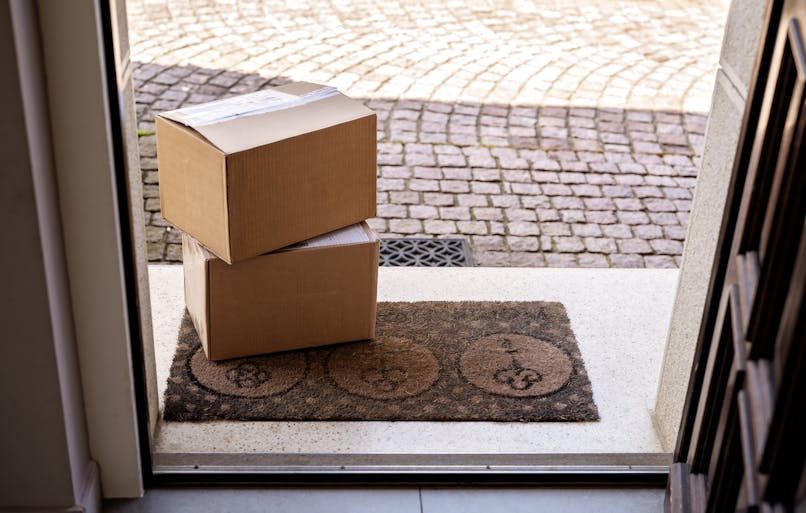
If you're planning to do your Christmas shopping online, there's an extra cost worth checking before you get carried away with the Black Friday bargains: how much you'll have to pay if you want to send something back.
New research suggests that a record number of retailers will charge customers for returns during the peak shopping season, with fees expected to increase as businesses look to recover the cost of processing unwanted purchases.
According to returns specialist ZigZag, 59% of retailers using its network are offering paid returns going into the end of 2026, compared with 54% during the peak shopping period in 2024.
The most common return fee last peak season was £4.99, while the average was £3.91. ZigZag expects return fees to rise by a further 5% to 10%.
That's worth remembering if you're ordering several Christmas presents, buying clothes in different sizes or taking a chance on a Black Friday deal from a retailer you haven't used before.
However, just because a retailer charges for returns doesn't mean you always have to pay. Your legal rights depend on why you're returning something, where you bought it and what the retailer told you before you placed the order.
Can online shops legally charge you for returns?
Yes, online retailers can generally charge customers to return unwanted items, provided they've made the costs clear before purchase.
Under the Consumer Contracts Regulations, shoppers usually have the right to cancel an eligible online order within 14 days of receiving it, even if there's nothing wrong with the product.
However, that doesn't necessarily mean the retailer has to pay for the return postage.
If you've changed your mind about a purchase, the retailer can normally require you to cover the reasonable cost of sending it back, provided it informed you of that responsibility before you ordered.
Some retailers deduct the return postage charge from your refund, while others ask you to pay when generating a return label.
If the retailer failed to tell you that you'd be responsible for return postage before you bought the product, you can challenge the charge.
And if you're returning something because it's faulty, damaged or not as described, different rules apply.
How much are online return fees in 2026?
ZigZag's latest research suggests that returns are becoming more expensive, with the average fee having risen to £3.91 during the previous peak shopping season and further increases predicted.
The most common charge was £4.99, although the amount customers pay varies between retailers and delivery methods.
That might not seem enormous when you're returning one purchase, but returning three separate orders at £4.99 each would cost you £14.97.
If you're buying presents or ordering several sizes to try on at home, it's worth building potential return charges into your decision before paying.
Retailers sometimes offer cheaper or free alternatives, including returning purchases to a physical shop. Check the conditions carefully, particularly if you live some distance from your nearest branch and travelling there would cost more than the postage.
Do shops have to refund your original delivery charge?
This is where shoppers could be missing out on money they're legally entitled to receive.
If you cancel an eligible online order in full within the statutory cooling-off period, the retailer must normally refund the cost of standard delivery as well as the price of the goods.
For example, imagine you buy a £30 Christmas present and pay £3.99 for standard delivery.
You then change your mind and return the entire order within the legal cancellation period.
The retailer should refund the £30 purchase price and the £3.99 standard delivery charge. You may still have to pay the separate cost of sending the item back, but the retailer shouldn't simply keep the original delivery fee.
If you paid extra for next-day or premium delivery, the shop generally only has to refund the standard delivery amount.
And if you're returning just one item from an order containing several products, the rules around refunding the original delivery charge can be different.
This distinction matters because research from Which? earlier in 2026 found several major retailers failing to refund delivery charges when they should have done.
Its mystery shoppers made purchases from 17 major online retailers and recorded what happened when they returned the goods. Some retailers consistently refunded the original delivery costs, while others failed to do so in most or all of the transactions tested.
It's a useful reminder to check the amount that actually lands back in your bank account rather than assuming the refund has been calculated correctly.
How long do you have to return something bought online?
For most eligible online purchases, you have 14 days after receiving the goods to tell the retailer that you want to cancel.
Once you've notified the retailer, you normally have a further 14 days to send the goods back.
You don't have to explain why you've changed your mind, although retailers may ask for a reason as part of their returns process.
Some shops offer longer periods, particularly around Christmas, so check whether the retailer has extended its usual deadline for festive purchases.
Remember that a retailer's extended Christmas returns policy is separate from your statutory rights and may come with additional conditions.
If you bought the item in a physical store, you don't automatically have the same right to return it simply because you've changed your mind.
Which retailers have extended their Christmas returns periods for 2026?
Which shops have extended their returns deadlines?
If you're buying Christmas presents early, particularly during Black Friday and Cyber Week, it's worth checking whether the recipient will still be able to return them in January.
The good news is that several major retailers have confirmed extended Christmas returns policies for 2026, with some allowing eligible purchases to be returned until 31 January 2027.
But there's a significant difference between the deadlines, with some retailers offering just a few days into January and others giving shoppers more than a month after Christmas. Some also exclude sale items or only offer gift-card refunds once their normal returns period has passed.
Christmas 2026 returns deadlines at a glance
Here are the extended Christmas return deadlines announced by major UK retailers as of 16 November 2026:
Amazon: 31 January 2027
Argos: 31 January 2027
Boots: 31 January 2027
Dunelm: 31 January 2027
John Lewis: 23 January 2027
Marks & Spencer: 17 January 2027
H&M: 17 January 2027
River Island: 14 January 2027
Next: 5 January 2027
These dates apply to eligible purchases made within each retailer's qualifying Christmas shopping period, rather than everything bought throughout the year.
Here's what you need to know about the individual policies.
Amazon Christmas returns 2026: How long do you have?
Deadline: 31 January 2027
Amazon has extended its Christmas returns period for most items purchased between 1 November and 25 December 2026.
Eligible purchases can be returned until 31 January 2027, or within 30 days of delivery if that's later.
The extended period applies to eligible Amazon UK purchases, including items fulfilled by Amazon and qualifying third-party sellers, although normal product exclusions still apply.
It's worth checking the returns information on the individual order, especially if you're buying electronics or gifts from marketplace sellers.
Check Amazon's returns information.
Argos Christmas returns 2026: What is the deadline?
Deadline: 31 January 2027
Argos is offering one of the longest Christmas returns windows, covering eligible purchases made between 23 September and 25 December 2026.
That means anyone who started their Christmas shopping early could still have until the end of January to return an unwanted present.
Items must meet Argos's usual change-of-mind conditions, including being unused, in their original packaging and accompanied by proof of purchase.
Check Argos's extended Christmas returns policy.
Boots Christmas returns 2026: Can you return gifts in January?
Deadline: 31 January 2027
Boots has extended its online returns policy for Christmas, with orders placed from 1 October 2026 eligible for return until 31 January 2027.
This could be particularly useful for shoppers picking up fragrance, skincare or beauty gift sets in the early Christmas promotions.
However, products generally need to be unused and unopened, with any seals and cellophane intact.
Exclusions apply, so it's worth checking before buying something that could be difficult to return once opened.
Check Boots's Christmas returns information.
Dunelm Christmas returns 2026: How long can you return homeware gifts?
Deadline: 31 January 2027
Dunelm has extended its returns window for purchases made between 12 October and 24 December 2026.
Eligible items can be returned until 31 January 2027, provided you have proof of purchase and meet the usual returns conditions.
This is particularly handy for anyone buying Christmas presents such as bedding, home accessories or furniture, although made-to-measure and personalised items may be excluded.
Check Dunelm's Christmas returns policy.
John Lewis Christmas returns 2026: What is the deadline?
Deadline: 23 January 2027
John Lewis is allowing eligible gifts bought between 1 October and 24 December 2026 to be returned until 23 January 2027.
The retailer recommends asking for a gift receipt when shopping in store, which makes it easier for the recipient to return or exchange a present without having to involve the person who bought it.
Normal product conditions and exclusions still apply.
Check John Lewis's extended Christmas returns policy.
M&S Christmas returns 2026: Are sale items included?
Deadline: 17 January 2027
Marks & Spencer has extended its returns period for full-price items bought on or after 22 October 2026, allowing eligible purchases to be returned until 17 January 2027, or later if the normal 28-day policy gives you more time.
However, there's an important distinction for anyone shopping in the Black Friday sales.
M&S sale items remain subject to the normal 14-day returns policy, rather than automatically qualifying for the Christmas extension.
That means it's worth checking the terms before picking up discounted clothing or gifts intended to be opened on Christmas Day.
Check M&S Christmas returns and refunds.
H&M Christmas returns 2026: Do discounted items qualify?
Deadline: 17 January 2027
H&M is allowing eligible full-price purchases and items bought using promotional discounts between 1 November and 16 December 2026 to be returned until 17 January 2027.
However, items classed as sale products remain subject to the standard 14-day policy, and the extension doesn't apply to products from certain other brands sold through H&M.
There's also a potential return charge to consider. H&M currently deducts £2.99 for postal returns, although eligible H&M purchases can be returned to a store free of charge.
Check H&M's festive returns policy.
River Island Christmas returns 2026: Will you get your money back?
Deadline: 14 January 2027
River Island has extended its returns period for qualifying online and in-store purchases made from 22 October 2026, with eligible items accepted until 14 January 2027.
But there's a particularly important condition: returns made under the extended Christmas policy are refunded to a gift card.
This means you shouldn't assume you'll receive the money back into your original bank account if you're relying on the extra Christmas returns window.
If getting a cash refund is important, check whether your purchase is still covered by the normal returns policy before deciding when to return it.
Check River Island's Christmas returns policy.
Next Christmas returns 2026: When is the last day?
Deadline: 5 January 2027
Next has confirmed that eligible purchases made between 23 October and 25 December 2026 can be returned until Tuesday 5 January 2027.
That's considerably earlier than the deadlines at retailers such as Amazon, Argos and John Lewis, so it's one to remember if you're buying presents that might need exchanging after Christmas.
Next says eligible returns are refunded to the original payment method, while gift recipients returning items in store may be offered an exchange or refund card.
Outlet and clearance purchases, along with Christmas decorations, are excluded from the extended policy.
Do Black Friday purchases qualify for extended Christmas returns?
Often, yes, but don't assume every discounted purchase will be covered.
Many of the Christmas returns windows announced for 2026 begin before Black Friday on 27 November, meaning eligible products purchased during the sales could qualify for returns in January.
However, some retailers distinguish between full-price products, promotional discounts and sale items.
For example, M&S excludes sale items from its extended Christmas window, while H&M includes certain promotional discounts but not items classed as sale stock.
If you're buying something specifically as a Christmas present, check the item's return conditions before paying rather than relying on a general announcement about extended returns.
Does an extended Christmas returns period mean returns are free?
Not necessarily, and this is particularly important given the rise in retailers charging for return postage.
An extended Christmas deadline only means the retailer is giving you longer to return eligible purchases. It doesn't automatically mean you'll receive free postage, a cash refund or an exchange.
Some shops offer free returns in store but charge for postal returns, while others issue refunds as gift cards under their extended Christmas policies.
Before buying presents, it's worth checking three things: how long you have to return the item, how much returning it could cost and whether you'll receive the refund in cash or store credit.
And remember that these voluntary Christmas returns policies don't remove your statutory rights if something is faulty or not as described.
How long should an online refund take?
Under the usual statutory cancellation rules, the retailer must refund you within 14 days of receiving the returned goods or receiving evidence that you've sent them back, whichever happens first.
If the retailer agreed to collect the goods, different timing rules can apply.
It's worth keeping proof of postage, particularly for more expensive purchases, and checking your bank account to make sure the refund arrives.
If your refund is taking longer than expected, contact the retailer with your order number and return tracking details.
What if you paid using Klarna or another buy now, pay later service?
Returning something bought using buy now, pay later can be a little more complicated because the retailer and the credit provider may need to update their records.
If you've ordered an item using Klarna, Clearpay or another instalment service, follow the retailer's returns process and tell the payment provider that you've sent the purchase back.
Don't assume your remaining instalments will automatically stop the moment you post the parcel.
The provider may need confirmation that the return has been received or approved, and its procedures will determine whether payments are paused while the refund is processed.
Keep an eye on your payment schedule and contact the provider if a repayment is approaching before the refund has been confirmed. You can read our guide here
The last thing you want after returning an unwanted purchase is to discover that you've missed a credit repayment because you thought the agreement had already been cancelled.
What if a retailer refuses to refund your delivery fee?
If you've returned an eligible online purchase within the statutory cancellation period and believe your refund is too small, start by checking exactly what's been deducted.
You may legitimately have been charged return postage, but that doesn't necessarily entitle the retailer to keep the original standard delivery charge.
Contact the retailer and explain that you're exercising your rights under the Consumer Contracts Regulations.
Include the original order details, confirmation of when you cancelled and evidence that the goods were returned.
If the retailer refuses to resolve the issue, you can contact Citizens Advice for help understanding your consumer rights.
Depending on how you paid and the circumstances, your bank or payment provider may also be able to help with a disputed refund.
Online returns FAQs
Can a retailer deduct £4.99 from my refund?
Potentially, yes. If you're returning an unwanted item and the retailer clearly explained its reasonable return postage charge before purchase, it can generally require you to pay that cost. However, it shouldn't charge you for the necessary return of faulty or misdescribed goods.
Do online shops have to offer free returns?
No. Retailers don't generally have to offer free postage for unwanted goods, although they must comply with statutory cancellation and refund rights.
Can I return something without the original packaging?
Usually, you can return eligible online purchases without their original packaging, provided the goods are properly protected and haven't been handled beyond what's reasonably necessary to inspect them. Some product-specific exceptions apply.
Can I return Christmas presents in January 2027?
Yes, many major retailers have extended their Christmas returns deadlines into January 2027, although the date depends on where and when the gift was bought. Amazon, Argos, Boots and Dunelm have confirmed deadlines of 31 January for eligible purchases, while Next's extension ends on 5 January. Some retailers restrict refunds to gift cards or exclude sale items.
Can I return an unwanted item bought in a shop?
There's no automatic legal right to return an unwanted item bought in person simply because you've changed your mind. However, many retailers voluntarily offer returns or exchanges, and faulty goods are covered by separate legal rights.
Can I get free postal returns if I have a disability?
Retailers have duties to make reasonable adjustments for disabled customers. If a retailer offers free in-store returns but your disability makes that option inaccessible, ask whether it can arrange a suitable alternative without charging you.
Check the return price before the sale price makes up your mind
It's easy to get caught up in comparing discounts, delivery offers and promotional codes, particularly when Black Friday deals are appearing everywhere you look.
But the amount you'll save depends on more than the price at checkout, and a bargain can become considerably less attractive if you end up paying to send it back.
Before ordering, take a moment to check whether returns are free, what happens if the item doesn't fit and how long you'll have to make a decision.
And if you do need to return something, make sure you receive everything you're legally entitled to. Retailers are allowed to charge for certain returns, but that doesn't mean customers should accept every deduction without question.
There's no point celebrating a £5 saving on a Christmas present if returning it ends up costing you just as much.
< Back to articles