
Weight loss jabs are now available as a pill - but the cost could still land you in debt


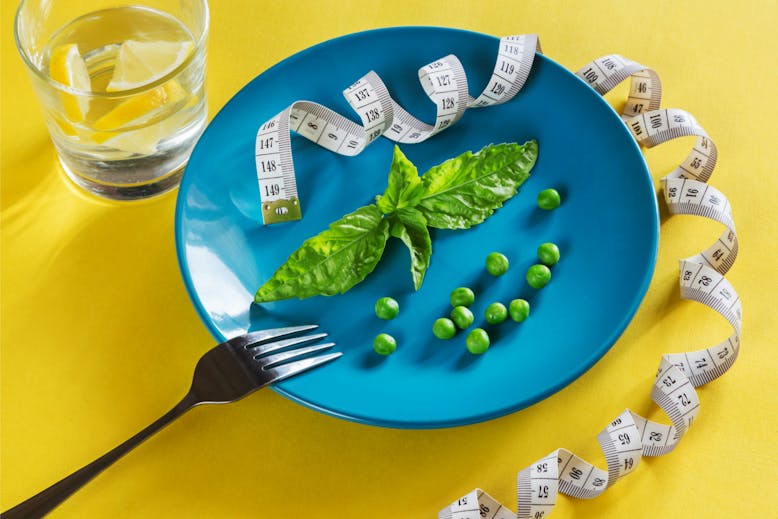
Weight loss medication just got easier to take. On 11 June 2026, the MHRA approved the UK's first oral GLP-1 weight loss pill - a daily semaglutide tablet marketed as Wegovy in pill form -removing the need for weekly injections that many people find a barrier to starting or staying on treatment. Clinical trial data shows the pill produces mean weight loss of 13.6% over 64 weeks, with nearly two-thirds of participants losing more than 10% of their body weight, results broadly comparable to the injectable version.
But there is a significant catch that anyone considering it needs to understand before they start. The pill is available through private prescription only. NHS access is subject to an ongoing NICE review and is not expected before 2027 at the earliest. The cost of the pill is broadly comparable to the injection, starting at around £129 per month at the lowest dose and rising to around £269 per month at the highest dose as the dose is gradually increased over time.
For the millions of people who have been hoping a pill might make this treatment more accessible, the arrival of an oral option is genuinely welcome news. But the financial reality has not changed. And thinkmoney's own research, published earlier this year, showed just how significant that financial reality already is for people using these medications privately.
How much debt are UK weight loss jab users carrying in 2026?
In January 2026, thinkmoney commissioned independent research from Savanta among 1,040 UK adults currently using private weight loss injections. The findings were stark.
Two in five people (39%) said they were in financial difficulty as a result of funding their treatment, with average debt of £1,616. Half had put the cost on a credit card, 49% had dipped into savings, a quarter had gone into their overdraft and almost one in five had used their emergency fund. One in fourteen said they had missed or delayed another payment to fund their injections, and 8% said they would miss a scheduled payment to pay for a jab.
The average spend was £210 per month, and nearly a quarter of respondents said they felt trapped in a financial cycle they could not get out of. One in five said that if the cost went any higher, they would have no choice but to stop.
When these injections first came to market, the costs were easier for many people to justify. But as more users stay on them long-term, and with no real limit on what private providers can charge in a supply-and-demand market, this can quickly become a risky financial habit.
What's often overlooked is what happens if someone is suddenly financially cut off from treatment. If people are forced to stop because they can no longer afford it, there can be physical and emotional consequences. That makes it even more important that anyone starting these jabs thinks about whether they can afford the journey, not just the first few months.
How much does the Wegovy pill cost in the UK in 2026?
The weight loss pill UK private cost starts at around £129 per month at the 1.5mg starting dose and rises to around £269 per month at the 25mg maintenance dose. For comparison, injectable Wegovy starts at around £99 to £159 per month at the lowest dose, rising to around £300 per month at the highest. Mounjaro, the other leading injectable GLP-1, starts at around £129 and rises to roughly £329 per month at the maintenance dose.
The pill does not represent a cheaper route to treatment. The headline starting price is similar to the injection, and the full year cost at maintenance dose is broadly comparable. The cheapest first month offer is rarely the cheapest year, because the cost rises as the dose goes up.
For someone starting the pill today and gradually increasing to the full dose over six months, as most treatment plans require, the total first year cost could easily exceed £2,000. That is before the cost of the initial consultation and any follow-up monitoring appointments, which many private providers charge separately.
Can you get weight loss pills on the NHS in 2026?
The injectable Wegovy is already available on the NHS, but only through specialist weight management services with strict eligibility criteria, and waiting lists are long. The Wegovy pill has been approved by the MHRA but NHS access requires a separate NICE review. Realistically, it will be 2027 at the earliest before the weight loss pill UK NHS route becomes available, and eligibility is expected to follow a similar pathway to the injection.
If you can access GLP-1 treatment through the NHS, the cost is the standard prescription charge of £9.90 per item in England, or free in Scotland, Wales and Northern Ireland and for anyone with a qualifying medical exemption. The gap between that and the £129 to £269 monthly private cost makes NHS access enormously valuable for those who can get it. If you believe you might qualify, speaking to your GP before starting private treatment is worth doing.
What to ask yourself before starting private weight loss treatment
Whether you are considering the injection or the newly approved pill, the financial questions are the same, and thinkmoney's research suggests they are not being asked clearly enough before people begin.
Can you afford the full maintenance dose, not just the starting price?
The cost rises significantly over the first few months as the dose increases. The starting price is rarely what you will pay long-term, and budgeting only for the introductory rate is one of the most common ways people end up in financial difficulty.
Can you sustain the cost for at least a year?
The cost of stopping and restarting treatment over multiple years, as weight returns and the medication is begun again, can significantly exceed the cost of staying on it consistently. Short-term thinking about affordability often leads to higher long-term costs.
What would you cut if your income dropped or the cost went up?
thinkmoney's research found that 8% of current users would miss a scheduled payment to fund their medication. If your treatment budget would come at the expense of bills, rent or credit repayments, that financial risk needs to be weighed carefully before you start.
Have you spoken to your GP?
Just under one in six (15%) of the people in thinkmoney's research had not told their doctor they were taking weight loss injections. A GP can assess whether NHS access might be possible, flag any health risks, and provide ongoing monitoring that many private providers do not include in their headline prices.
How to check whether a weight loss pill provider is legitimate in the UK
GLP-1 medicines should not be bought from unregulated sellers such as beauty salons or via social media, or from anywhere without a prior consultation with a healthcare professional. The MHRA has warned about falsified semaglutide products from unregulated sources. You can check whether a pharmacy is properly registered at the General Pharmaceutical Council's website at pharmacyregulation.org.
If you are buying online, look for a GPhC registration number on the pharmacy's website and verify it directly at pharmacyregulation.org before making any payment. A legitimate provider will always require a clinical consultation before issuing a prescription, not a simple checkbox or automated questionnaire.

< Back to articles